I have a cameo memory from when I was young of sitting on the back doorstep shucking peas in the sunshine with my mum. Peas were super exciting then as although peas were available in cans all year round it was before the frozen pea revolution and canned peas were completely different to fresh peas. Fresh peas were a total treat when they arrived.
We grow peas in our garden. Just for us, not for the shop, because if we were paid to grow, pick and shuck the peas without a mechanised system they would be like gold.
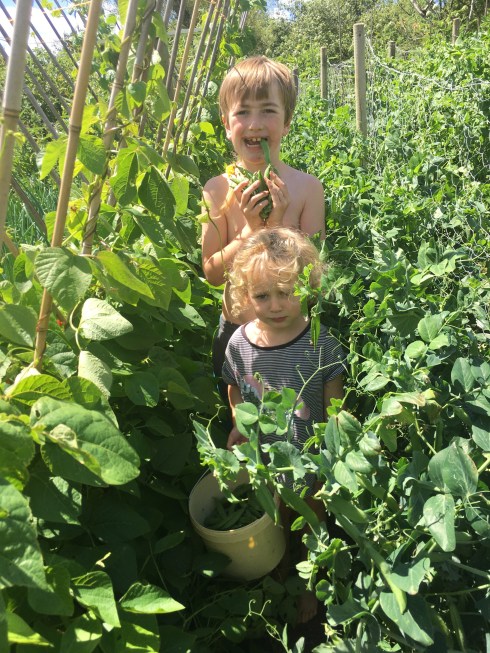
We just grow them to eat like sweeties when they first ripen and as the crop ripens we always make risi e bisi (a pea risotto) and summer vegetable pilafs, paellas and salads but after that we begin to scratch our heads and the peas keep coming. It’s a real grow your own phenomenon, the all or nothing syndrome and when the peas ripen they need eating as it’s obvious they should not go into the freezer.
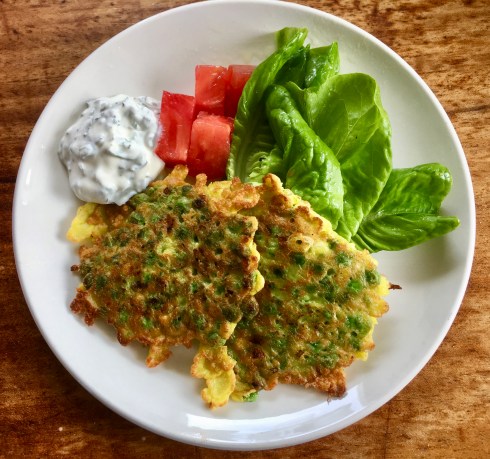
This is new recipe that we’ve enjoyed this summer. It was inspired by a recipe from Spain called Tortillitas de Camarones which are crispy little fritters made with baby shrimp. Last autumn we visited Sanlucar de Barrameda in the very south of Spain and I have happy memories of bars where camarones were served as tapas on the terraces, usually with an accompanying glass of chilled manzanilla, the local sherry.
I became addicted to these thin crispy fritters and when I got home I tried to make my own. They weren’t quite the same and it wasn’t only the lack of sunshine that was missing so I googled the problem and after reading many recipes and watching a particularly edifying YouTube tutorial I cracked it!
You might be wondering at this stage what this has to do with the peas, well I discovered they are an excellent addition to this recipe, either peas and shrimp or peas alone. Both work very well and the peas alone are suitable for vegans which is always a bonus.
There are couple of little tricks involved so read the recipe carefully before you begin.
Use a combination of gram flour and white rice flour if you want the fritters to be gluten-free. The water needs to be chilled and sparkling gives the best results
Pea fritters – Tortillitas de Guisantes
200g peas – fresh or defrosted
1 small onion
90g gram flour
40g white flour or rice flour
¼ tsp turmeric
A little lemon zest
1 tbs finely chopped parsley
Chilled sparkling water
Oil to fry
Pod or defrost the peas.
Sift the gram flour and regular flour or cornflour into a bowl. Add half teaspoon salt and turmeric. Stir to mix.
Peel and finely chop the onion small and finely chop the parsley. Zest a few swipes of lemon for the mix
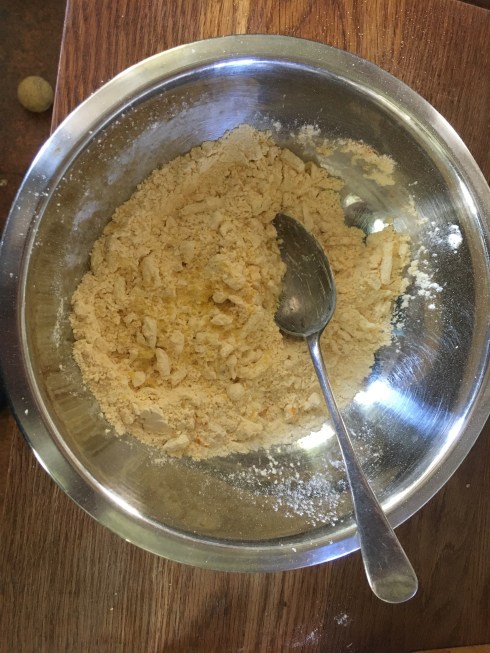
Put everything except for the water into the bowl and mix well then start stirring in the chilled water until the batter has a medium pouring consistency, like a crepe pancake mix or pouring cream.
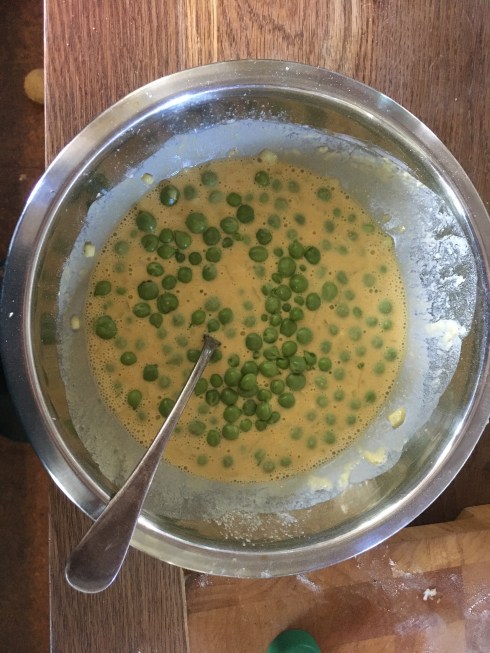
Heat 4cms oil in a frying pan or wide based saucepan and when it is hot add a tablespoon of the fritter mix, spread it a little with the spoon after it goes into the pan, spreading the fritter with the back of the spoon under surface of the oil., it should be bubbling just below the surface. You need to do this quickly. Repeat but don’t overcrowd the pan.
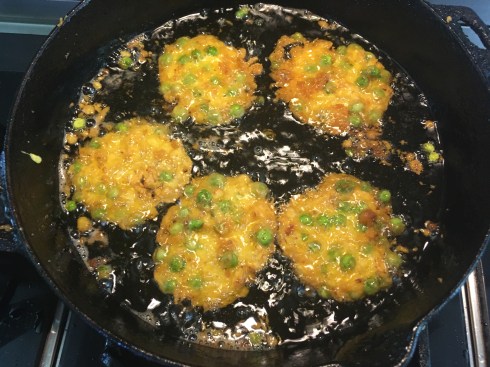
Cook each side for 2-3 minutes, until golden. Lift onto kitchen paper then cook the next batch. It’s a good idea to stack the fritters like dishes so the oil drains off both sides.
Serve with lemon wedges

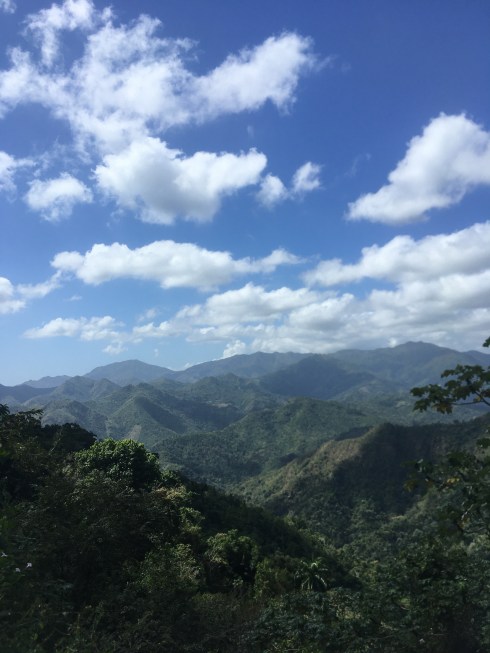
 Three weeks ago we were leaving Cuba after this little adventure. It was our second visit, having explored the ‘top’ end last year I was quite smitten, and wanted to see more. Below is a tale of our trip to the other end which proved quite challenging as catching a bus in Cuba is complicated but it’s like a distant memory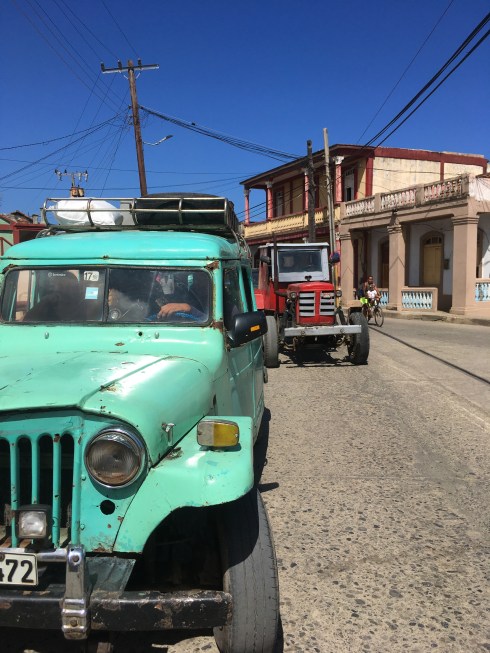
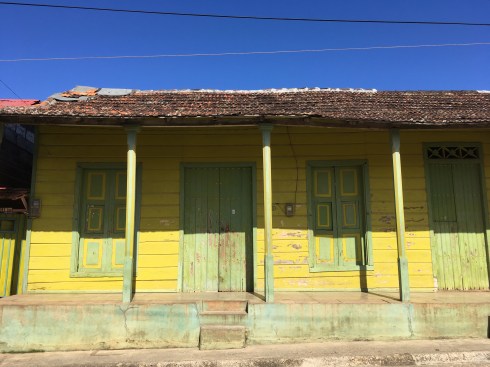
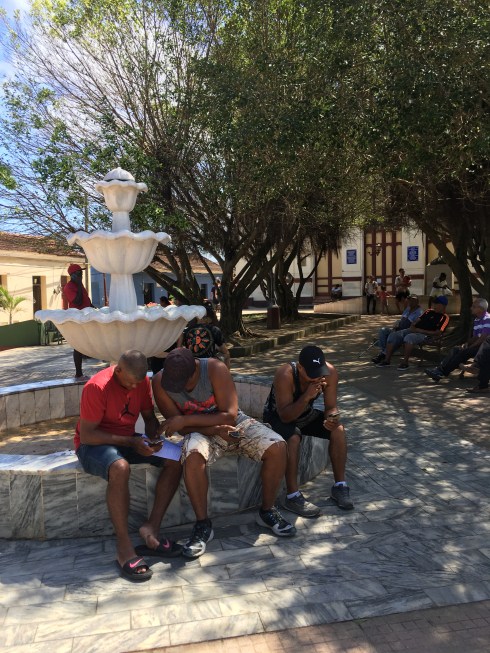 The fridges in the bars are empty bar water and rum. The embargoes are really hitting this small town perhaps because it the last on the delivery route but the rum is good and there’s ice for the mojitos.
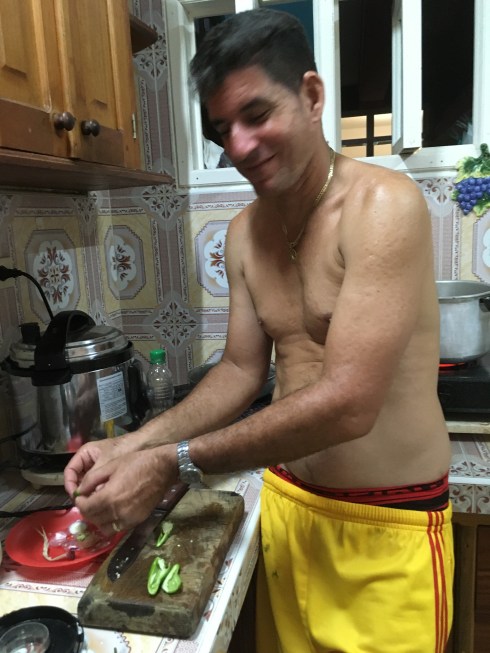 It’s a traditional recipe from Baracoa, a ‘Lechita’ which is fish cooked in a coconut sauce. He made the coconut milk from fresh coconuts and cooked the fish for one hour in the sauce which had me pretty horrified as that’s a long time to cook fish. It tasted fine but the texture became a bit like meat. Personally I’d cook the fish for far less time but that is optional. One of the ingredients is achiote, which is the ground up seeds from an indigenous plant that grows in Cuba and Mexico. It gives colour and a little earthy taste.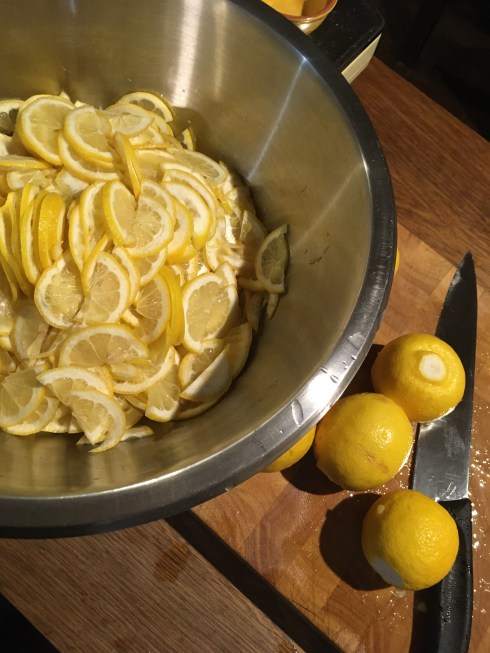
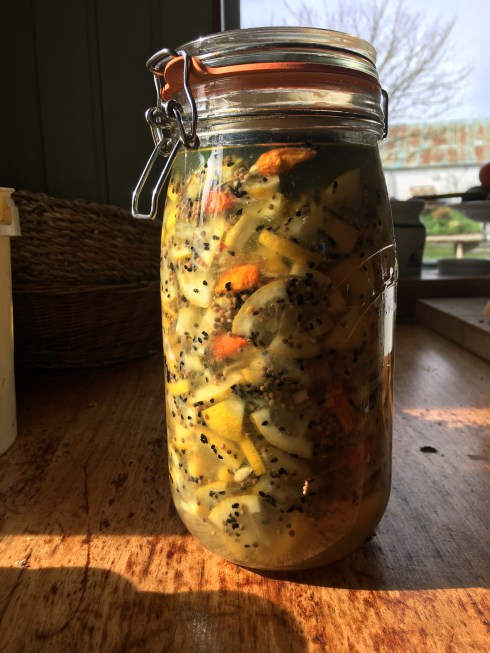
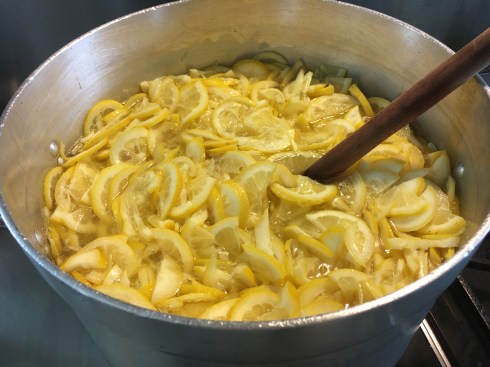
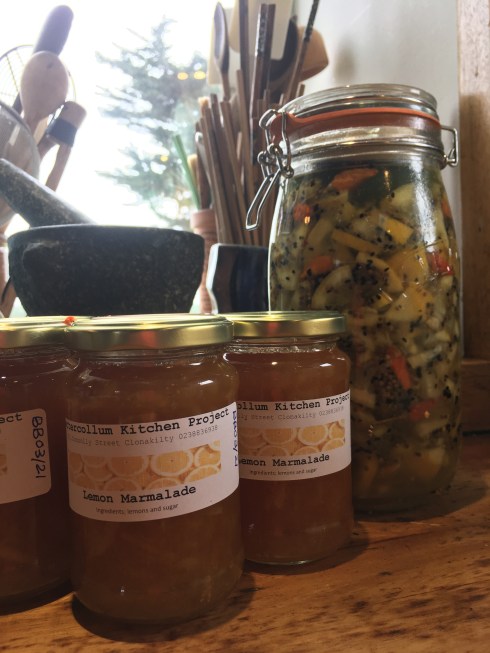
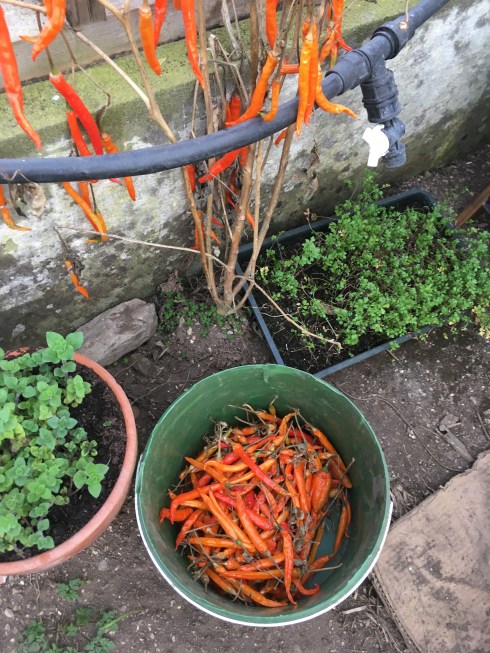 We recently harvested the last of our chillies in our tunnel to make room for this years seeds and now we have quite some chillies to make our way through. The pickle sounds exciting – lemons, chilli, nigella seeds, mustard seeds, oil , vinegar and what sounded like an alarming amount of salt – !00g salt and only 2tbs sugar.




 Lettercollum Kitchen Project