Toonsbridge Buffalo Gnocchi

IMG_1719

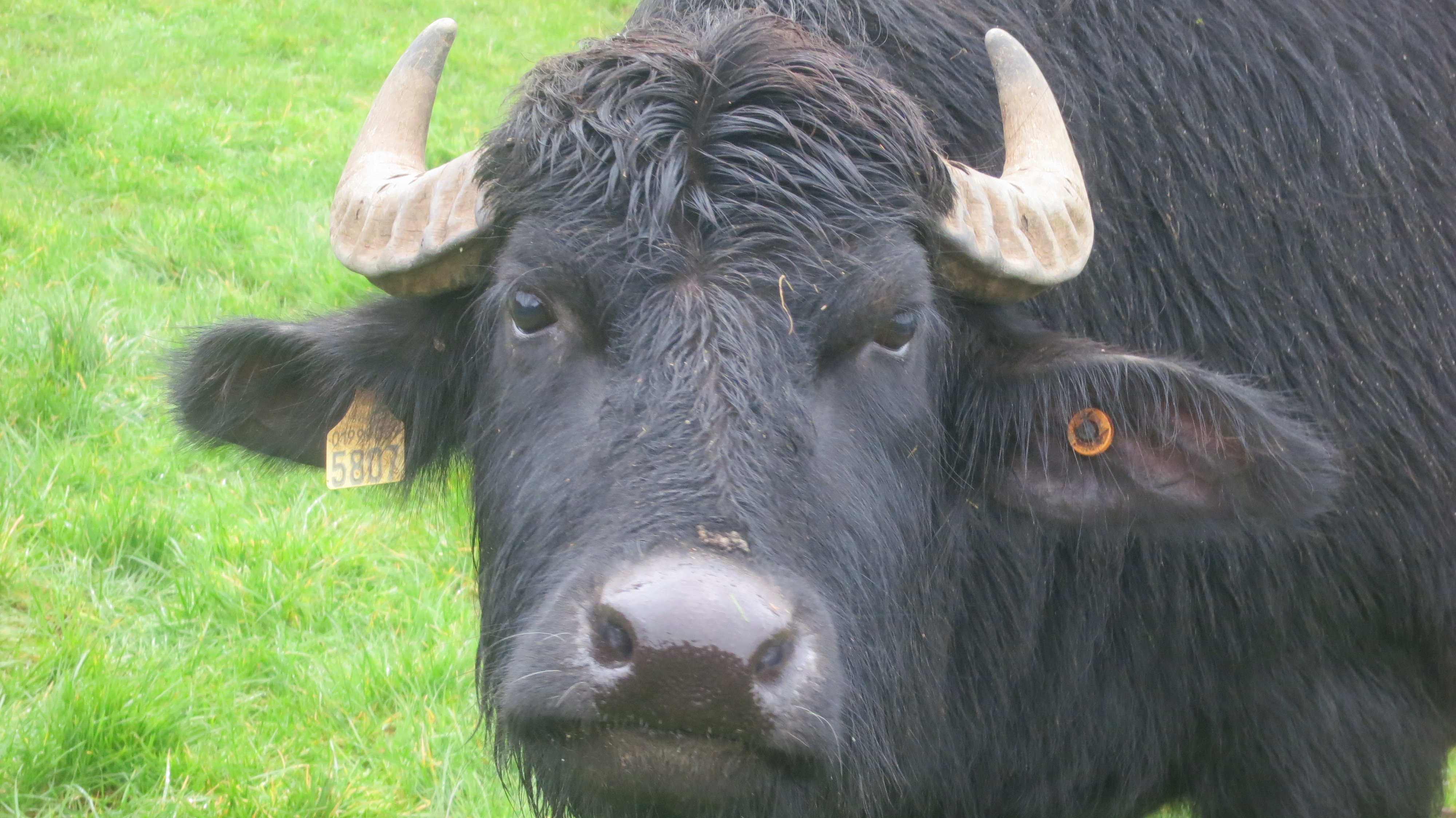
To the uninitiated it would be a big surprise to find an up to the minute dairy popping out little balls of  buffalo mozzarella in the depths of the Macroom countryside. Maybe even more surprising would be the herd of woolly buffalo who are contentedly chomping grass. We sell and use Toonsbridge mozzarella and ricotta in our shop and when were invited to to check out the dairy and how the cheese was made we jumped at the opportunity.

We set off with our raincoats and wellies this morning, programmed the sat nav and headed north. We arrived in plenty of time and after a welcome cup of coffee, by which time the invited group had assembled, we all donned protective hats, shoes and coats and traipsed into the dairy which had been in action since six o’clock this morning. By this time there was a stack of raw cheese ready to go.IMG_1691

This was put through some kind of shredder then transferred to a vat where it was paddled together with very hot water -95cIMG_1693
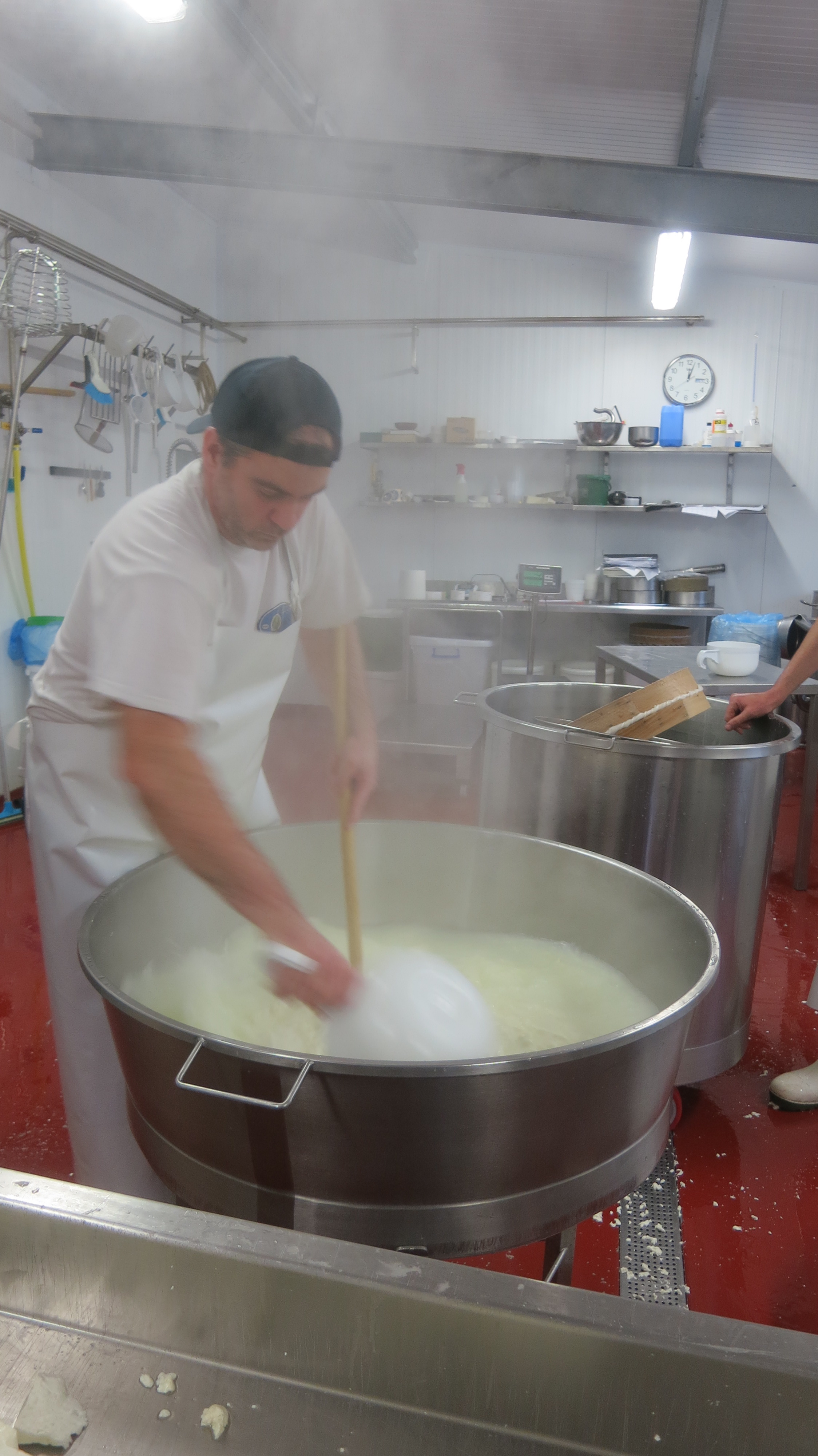
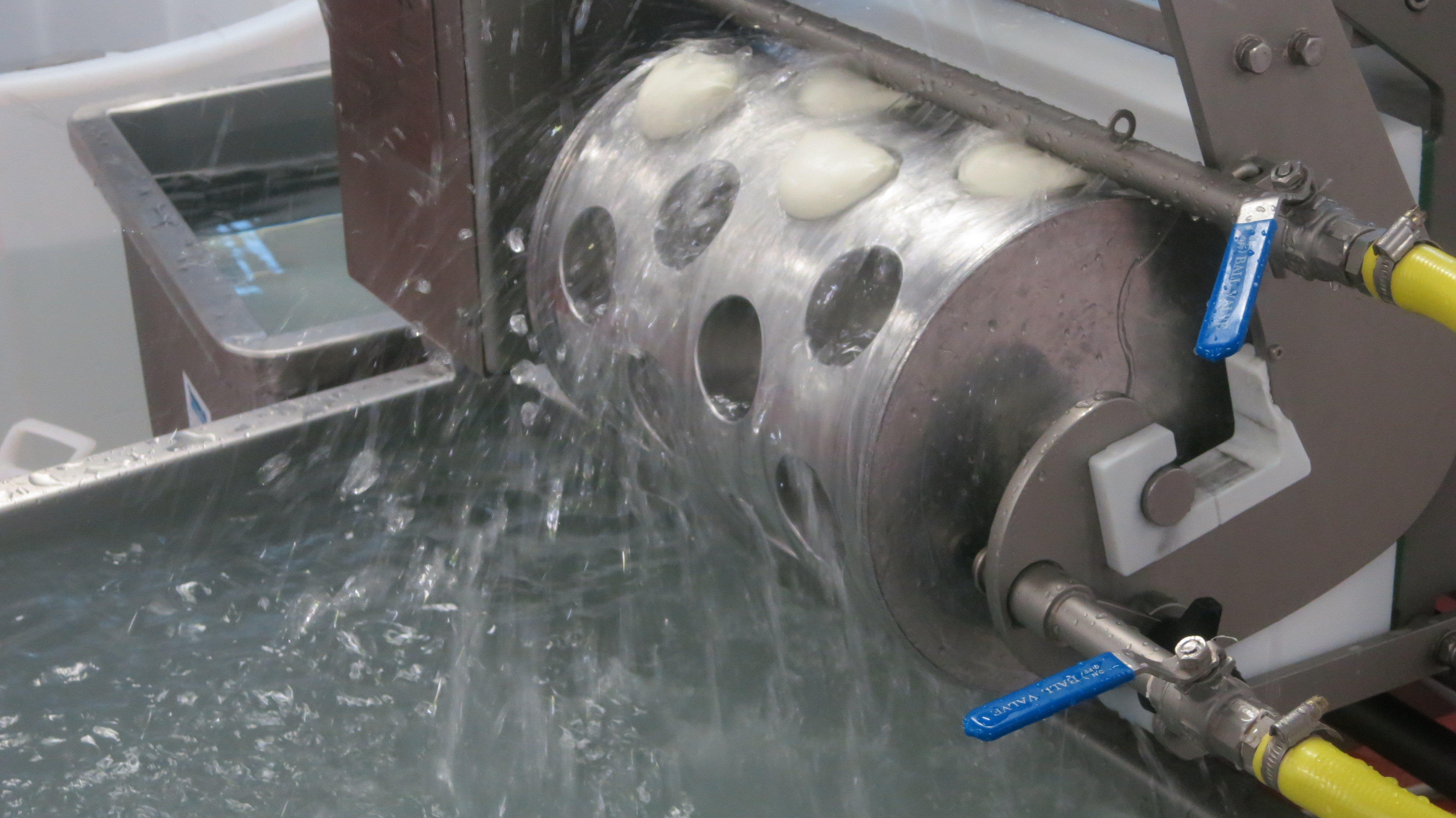
which changed the cheese to smooth elastic pieces which in turn were posted into what could only be described as an open plan washing machine type drum which plopped the then formed balls of mozzarella into a receiving tank. This is a very un-technical description of the magic practiced in the dairy, if you would like to know more check out http://www.therealoliveco.com/toonsbridge/.IMG_1701
Gnocchi are Italian dumplings and the most common are made with potatoes and flour but this version is made with spinach, ricotta and semolina which makes them much lighter. It also makes the shape less uniform hence the name malfatti which means badly made. I make them with the Toonsbridge fresh buffalo ricotta and the spinach from our garden which has galloped into production with the longer days. The trick is to use enough semolina to hold the gnocchi together without making them stodgy. They are very fast to make and eaten with a little tomato basil sauce make a simple dinner dish that looks quite impressive.
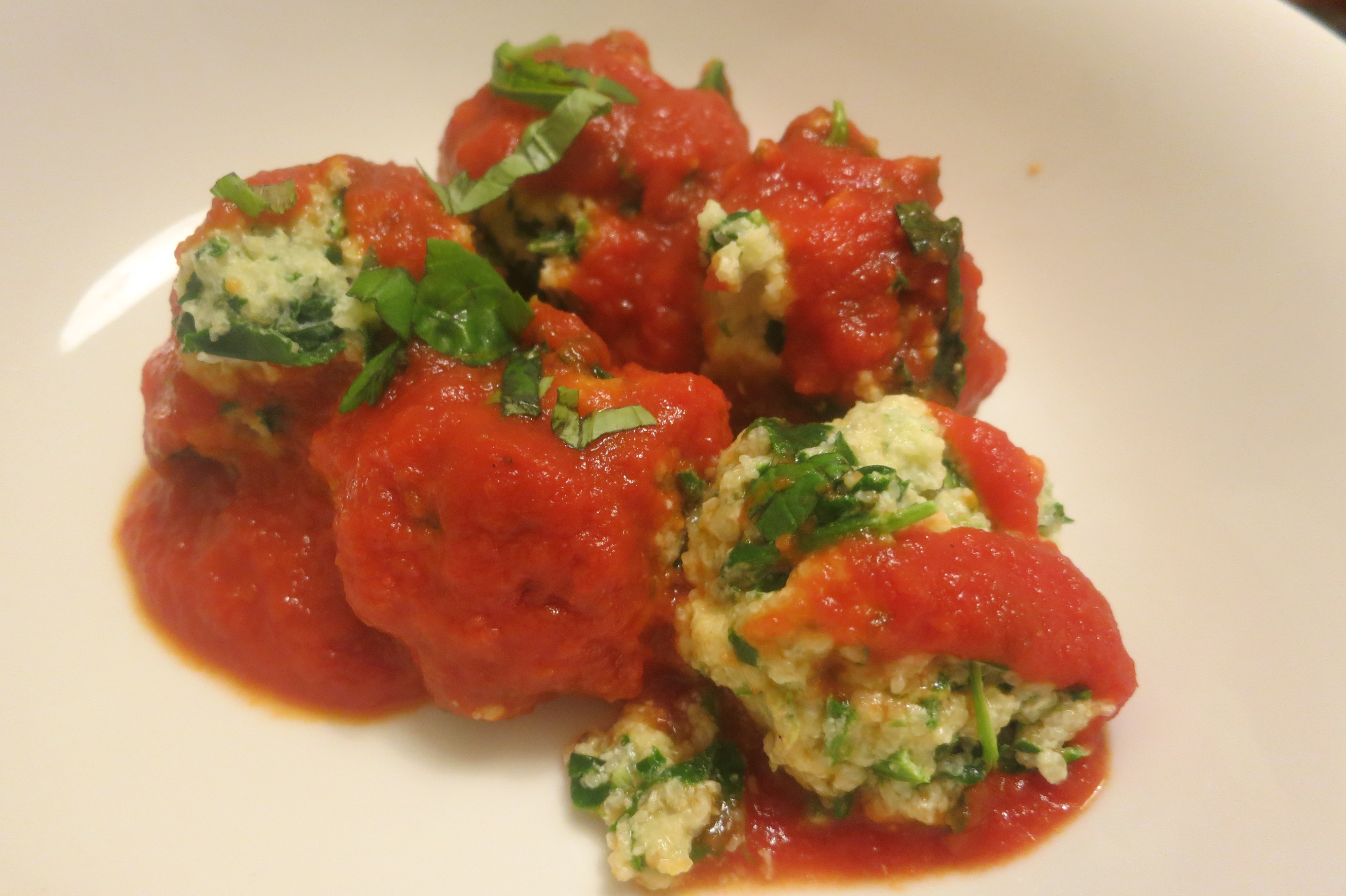
IMG_1547

The secret to success in cooking these gnocchi is the temperature of the water in which the dumplings are cooked. A rolling boil will disintegrate these delicate little dumplings so bring a pot of water to the boil then turn to the lowest simmer before slipping them in.

Malfatti – Spinach and Ricotta Gnocchi 

250g ricotta

2 eggs

250g spinach

nutmeg

2-3 tbs semolina

100g grated Parmesan cheese

salt and black pepper

Put a large pot of water on to boil. Wash the spinach and take out any extra thick stems. When the water  is boiling add some salt and the spinach. Make sure the spinach is completely immersed. When the water returns to the boil cook the spinach for one minute then drain and plunge into a bowl of cold water. This will stop the spinach from cooking further. Drain the spinach and squeeze it in your hands to remove the excess water .Chop finely.

Put the ricotta into a bowl and beat together with the eggs until creamy

Stir in the spinach , grated parmesan cheese and the semolina, then season  with a little grated nutmeg and some salt and pepper.

The mix should hold together. If it is still wet add a little more semolina.

Bring a large pot of salted water to the boil, then turn down to the lowest simmer

Wet your hands and form small balls with the gnocchi mixture and gently slip them into the water. When the gnocchi rise back to the surface they are cooked. Remove with a slotted spoon and put onto a warm serving dish..

Dress with tomato and basil sauce or olive oil and fresh herbs and serve immediately.

Serves 4

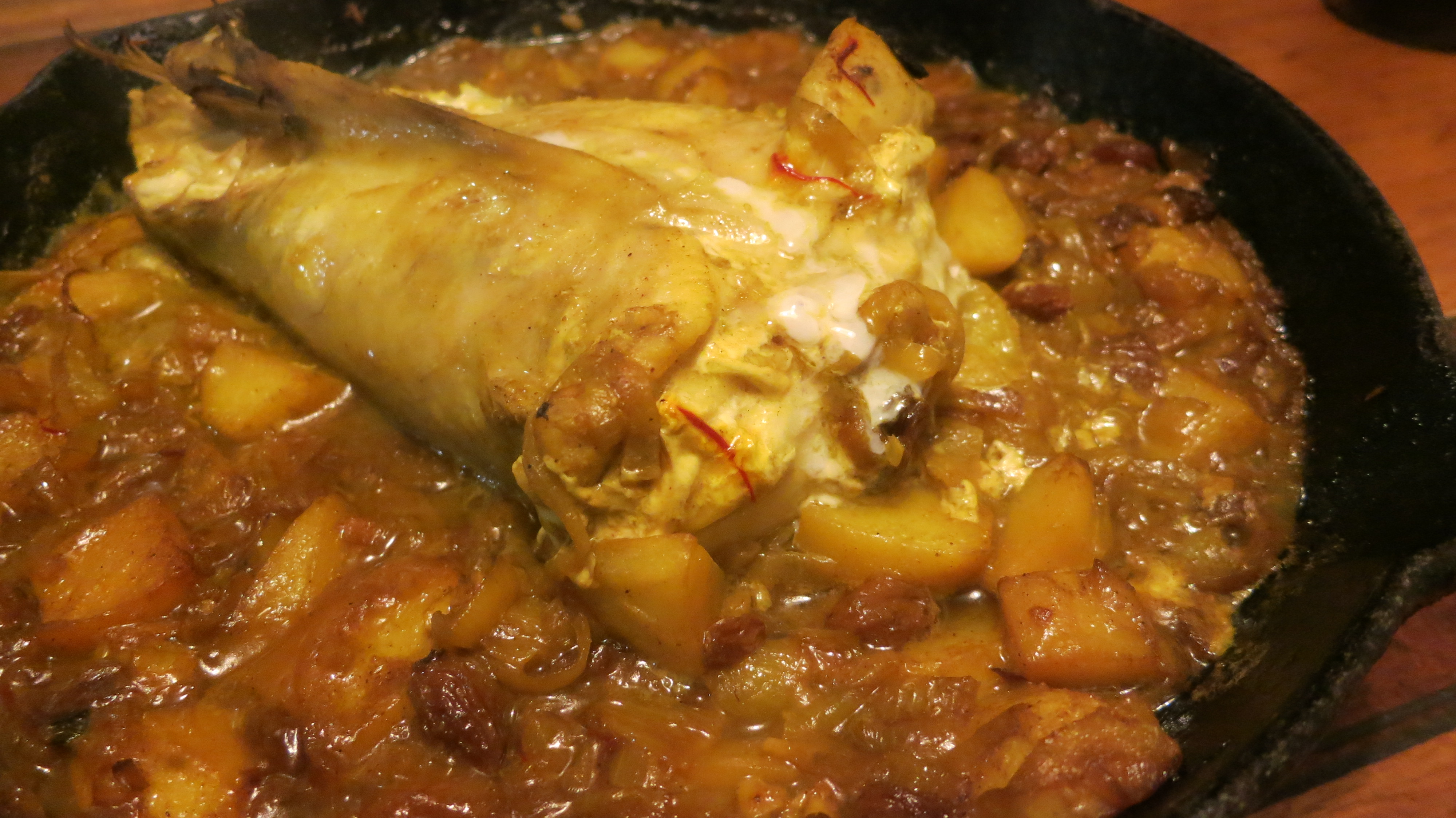
Sweet and Fragrant Fish Tajine

IMG_1681

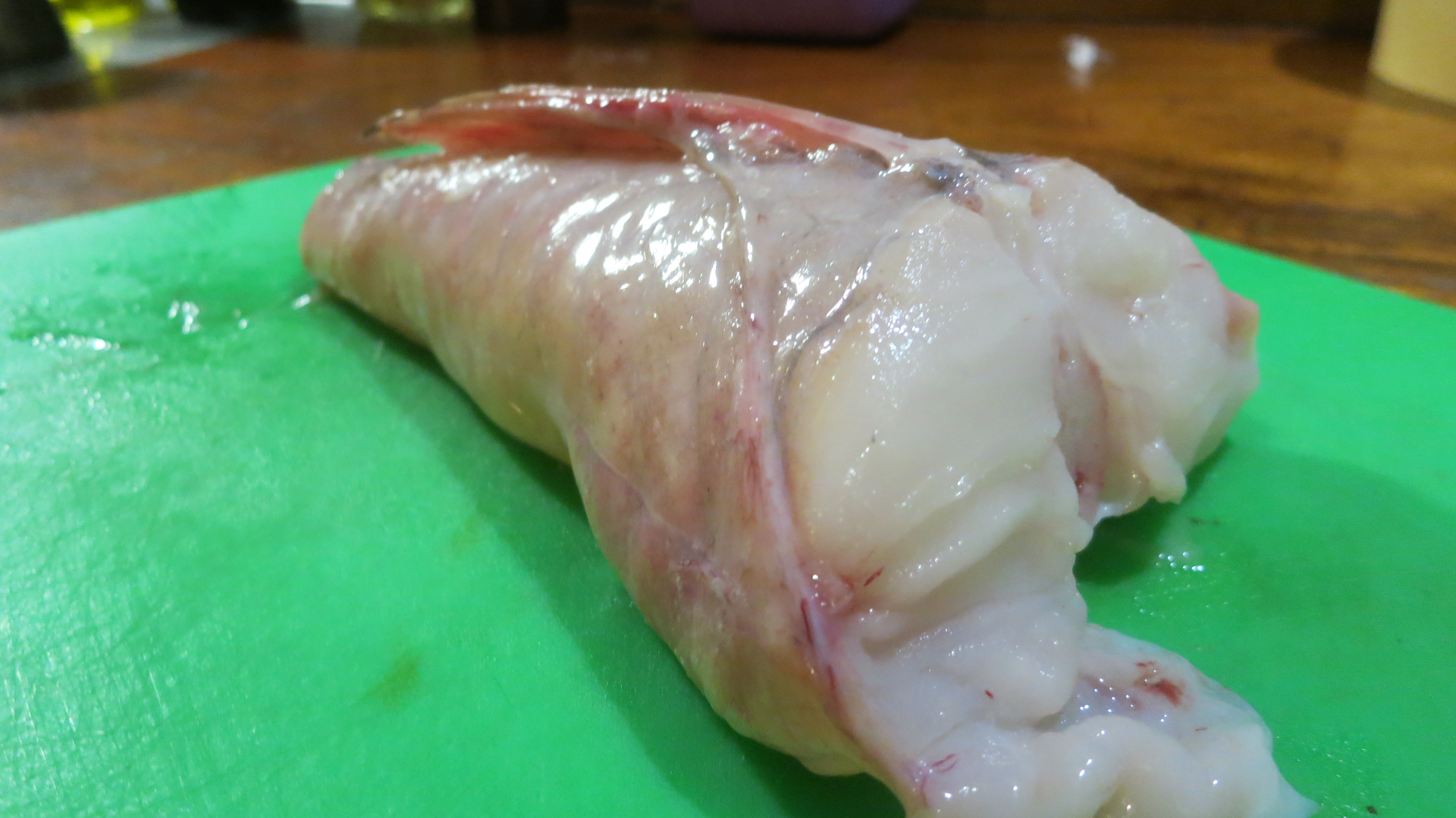
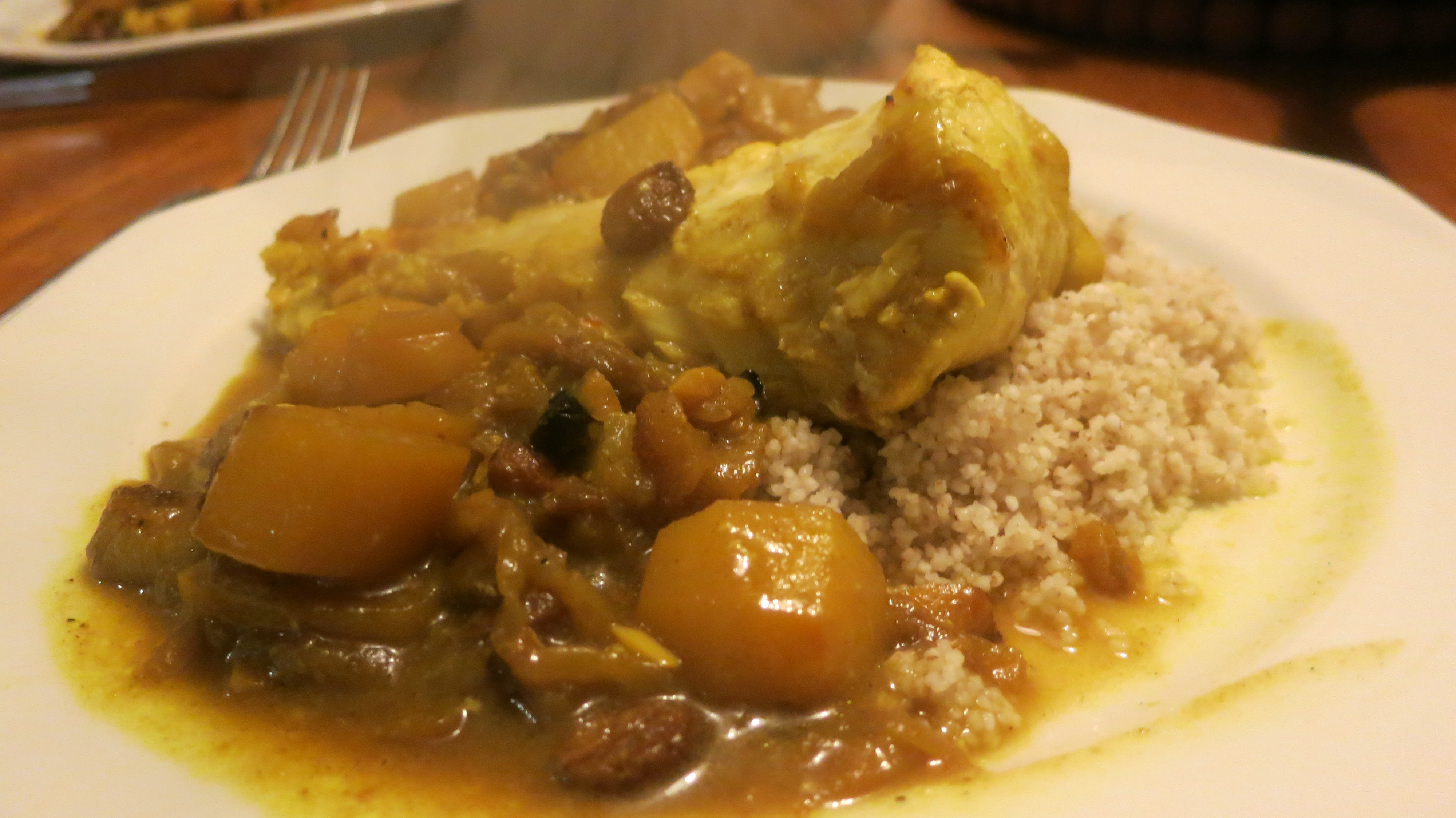
I was standing in the queue waiting to buy fish at the market this morning when I spotted a monkfish and remembered a recipe that I cooked ages ago with sultanas and ginger. The recipe was in the Moro East cookbook and it was the odd combination of fish and sultanas that made me curious.  As I remember it was delicious so that’s what we’re having for dinner tonight except that I can’t find the cookbook. I vaguely remember lending someone a couple of cookbooks – most unlike me as I don’t usually like them to wander – but I can’t remember who I lent them to so if you read this and have any information please jog my memory!

Meanwhile here’s the version we had . It was subtly sweet and fragrant and the monkfish was cooked on the bone which kept it super succulent. The timing is a bit tricky when cooking a piece of fish like this on the bone. The general guideline is that it should take about half an hour for a kilo piece in a hot oven but I found it took slightly longer. The piece that we had weighed about 600g so I cooked it for twenty minutes, then turned it over for five minutes but when we sat down to eat it was slightly underdone so I wacked it under the grill for a few minutes and that did the job.

here’s my version which we ate with couscous and fed two of us – we did roll away from the table!

2 large onions – peeled and sliced

olive oil

3 cloves garlic – peeled and chopped

a large handful golden sultanas – soak in hot water whilst cooking the onions

6 small waxy potatoes – peeled and cut into even sized chunks

a pinch of saffron infused in hot water

1 tsp cinnamon

1 tsp ground ginger

1 tsp turmeric

approx 250 mls water

600g monkish

pre heat the oven 220c

Put a an oven proof pan on the heat and when it’s hot add enough olive oil to cover the bottom  of the pan and the onions. Give them a good stir and when they are sizzling away sprinkle with a little salt and turn the heat to medium-low. Cook until the onions become  golden , this will take ten to fifteen minutes, stirring regularly.


IMG_1672

Add the garlic, give a quick stir  then drain the sultanas and mix everything together. Cook on a medium heat for five minutes then add the spices and cook for a further minute or two. Stir well so that they cook evenly. Pour in the water and infused saffron then bring to the boil .

Put the potatoes in the sauce , seaon with alittle salt and bring everything to the boil. Cover the pan with a lid or piece of foil and put into the hot oven. Cook for twenty fives  minutes then check that the spuds are tender.

IMG_1677

Season the piece of monkfish and squash into the middle of the pan then put the lid/foil back on and cook for twenty five minutes.

Take the pan out of the oven and turn the piece of fish over and cook for a further five minutes.

To serve, simply use a sharp knife to cut the fish from the bone and eat together with a little couscous

IMG_1680


Beans and Chips

I arrived home hungry this evening after spending the afternoon scrubbing. There was paint and plaster splatted around the shop floor from the renovations, and myself and a jetlagged kiwi set to with wire wool and scrubbies like a pair of cinderellas. The result was impressive and it feels a little closer to to being ready to open on Tuesday now.

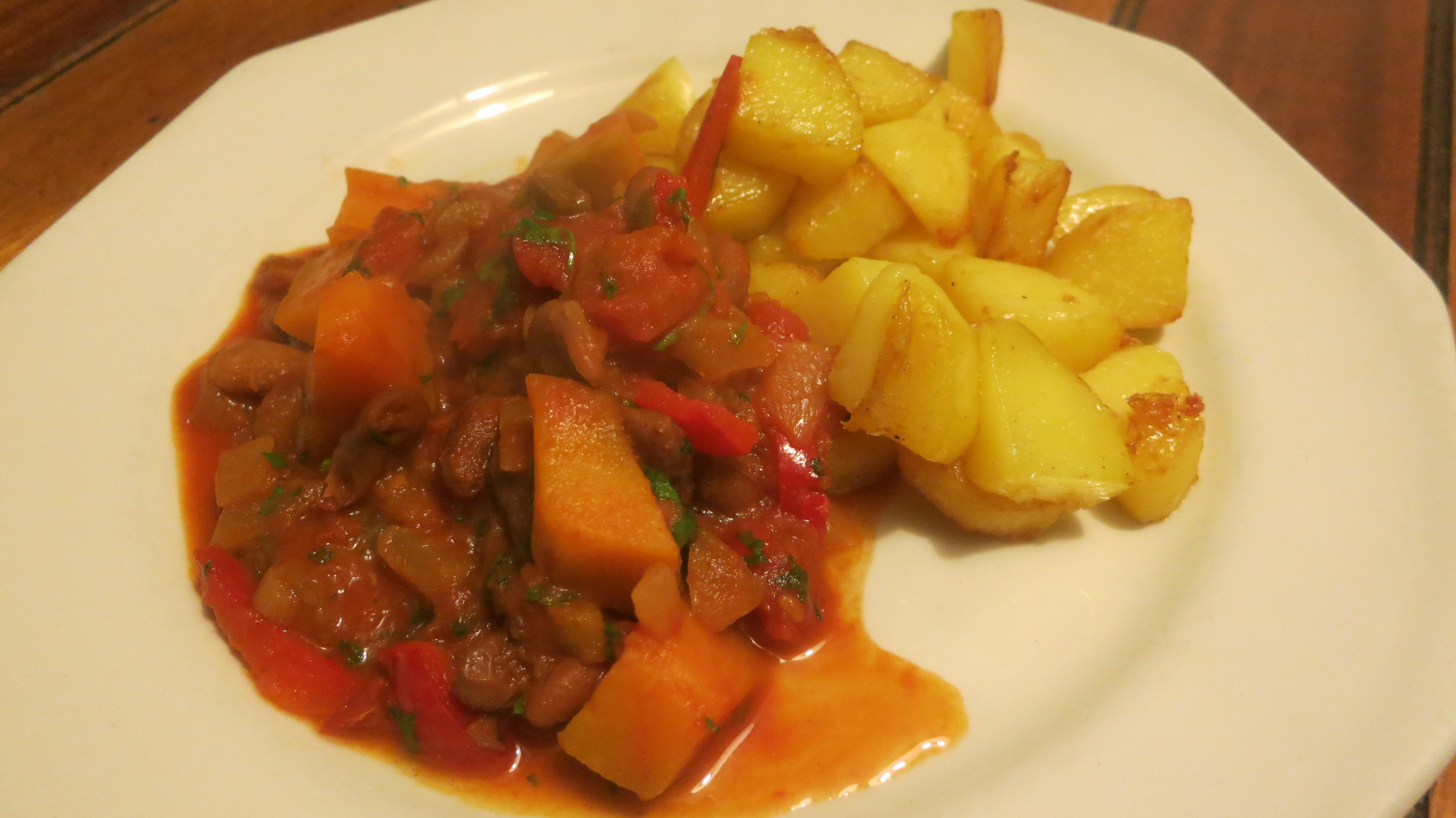
Despite being hungry I was reluctant to cook and plomped down beside the stove with a cup of tea and the paper. Of course I only got hungrier and in the end I leapt up and started to root around the kitchen, trying to find something. I found a little bag of borlotti beans in the freezer and the dinner progressed from there, using up the rest of the pumpkin that was sitting on the window sill and a few anchovies that were left over from the pork pie mission, all jazzed up with tomatoes, onion, a star anise and smoked paprika. It tasted something like Boston Baked Beans. I made little chippy potatoes to go with and it certainly sated my hunger

IMG_1595


Dinner for a Wild Wet Night

I’m back in windy, wet West Cork, trying come to terms with the weather!
Such a contrast to Barcelona. I’ve decided the Barcelona winter is a bit like a cool Irish summer but with less rain and wind!!

The garden has soldiered on whilst I have been away, oblivious to the weather and there is a surprising amount to eat there, including our seemingly never ending supply of cauliflowers. I was surprised to see them, I thought they would have ‘blown’ by now but they must have settled into some kind of  state of animated suspension because they are still ready to eat. There are also plenty of leeks, spinach, salad greens, kale and herbs. I didn’t know what to make for dinner so I wandered around with a bucket and picked a little bit of this and a little bit of that then came down to the house and discovered our last pumpkin.

I made a warming vegetable stew based on a recipe from one of my Xmas cookbooks ‘ The Lebanese Kitchen’ by Salma Hage. Salma Hage is a seventy year old Lebanese housewife who has been cooking for the past fifty years and she has some delicious tricks up her sleeve.  The butternut stew that I made surprisingly uses curry powder. This isn’t something that I had in the house but I did have one of Green Saffrons Indian spice mixes so I used that instead. I also added some dried apricots which gave a subtle sweet depth to the dish. It was just the ticket for a wild wet night. We ate it with barley couscous on the side.

IMG_1564

Here’s my version

1 large onion, peeled and chopped

2 tsp curry powder or similar spice mix

olive oil

2-3 cloves garlic, peeled and chopped

about 500g pumpkin or butternut squash-peeled and cubed

i carrot – peeled and chopped

6-7 dried apricots – sliced

half a cinnamon stick

i can tomatoes – chopped

350mls vegetable stock

about 300g- 400g  cooked chickpeas

salt

a handful of chopped coriander

Heat a saucepan and add a little olive oil and the onions. Fry the onions on a medium heat for about five minutes, but don’t let the onions brown. Stir in the garlic and the spice mix and cook for a few minutes more then add the pumpkin and carrot . Cook everything on gentle heat until the veggies are well coated with the spice mix then add the chopped tomatoes, vegetable stock, apricots and cinnamon stick. Increase the heat and bring everything back to the boil then turn the heat down to simmer and cook for  fifteen minutes or until the pumpkin is just tender. Add in the chickpeas and cook for another ten minutes. Taste and season with a little salt.

Take off of the heat and stir in the chopped coriander .


Oven Trouble

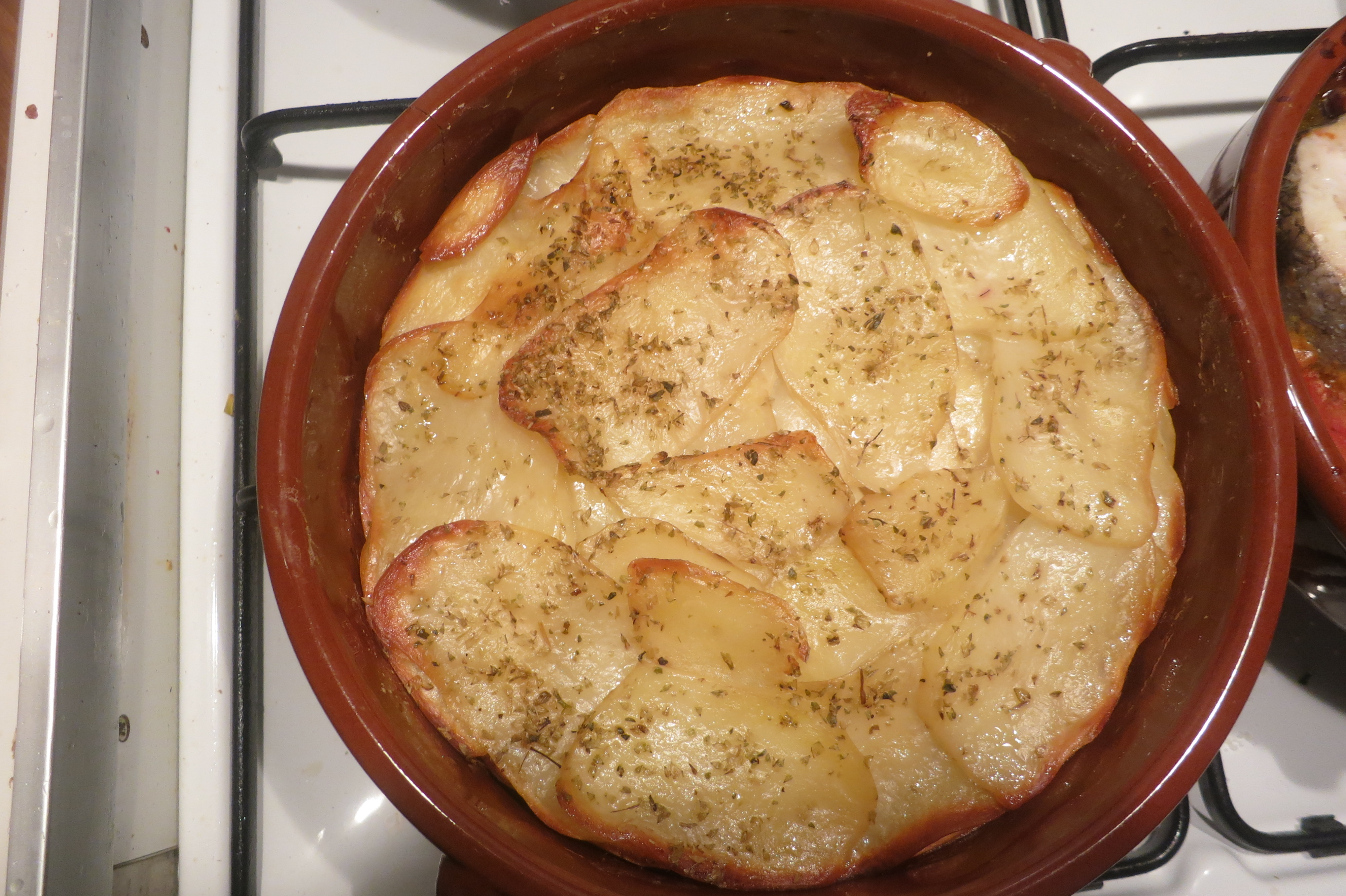
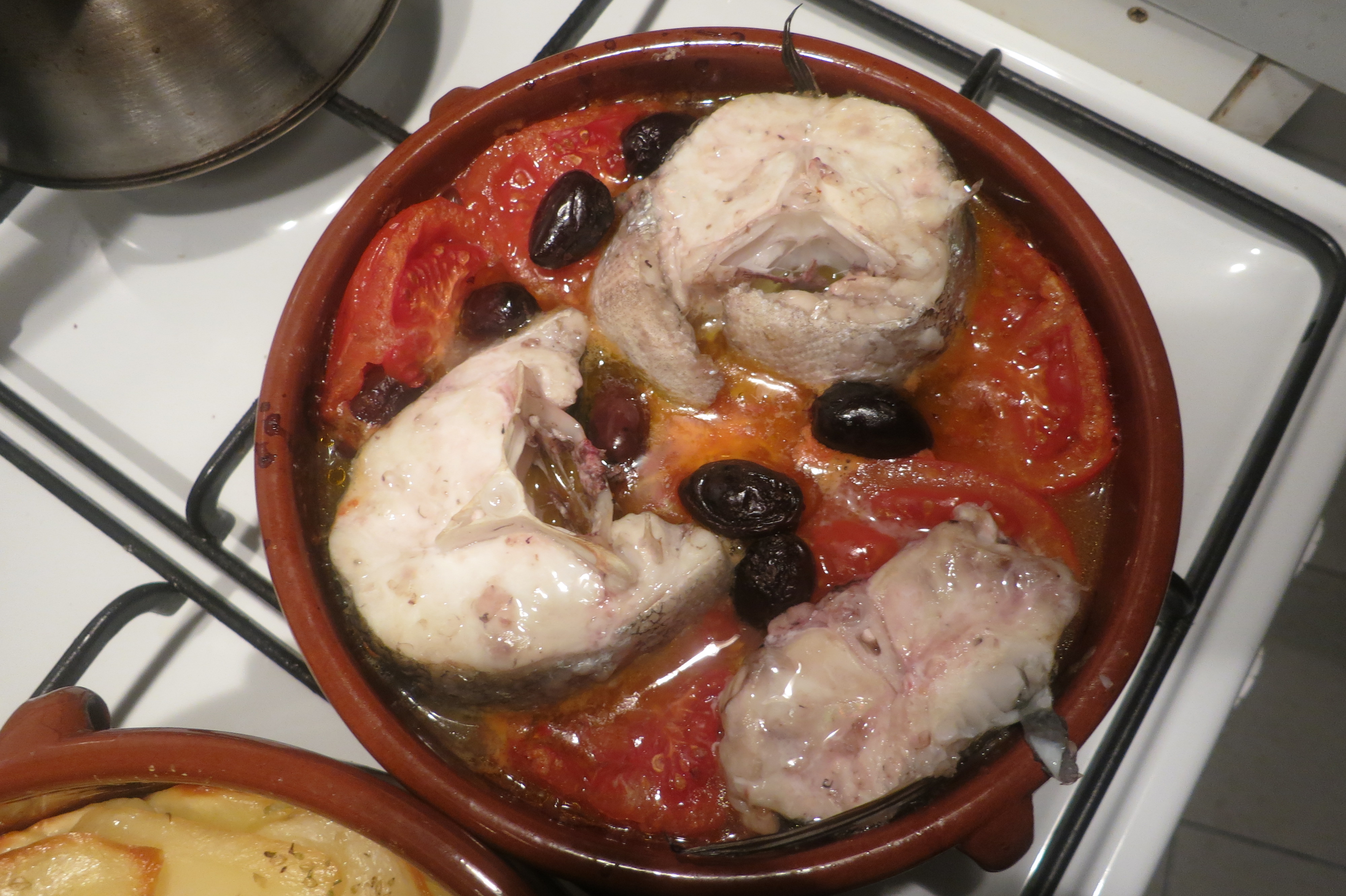
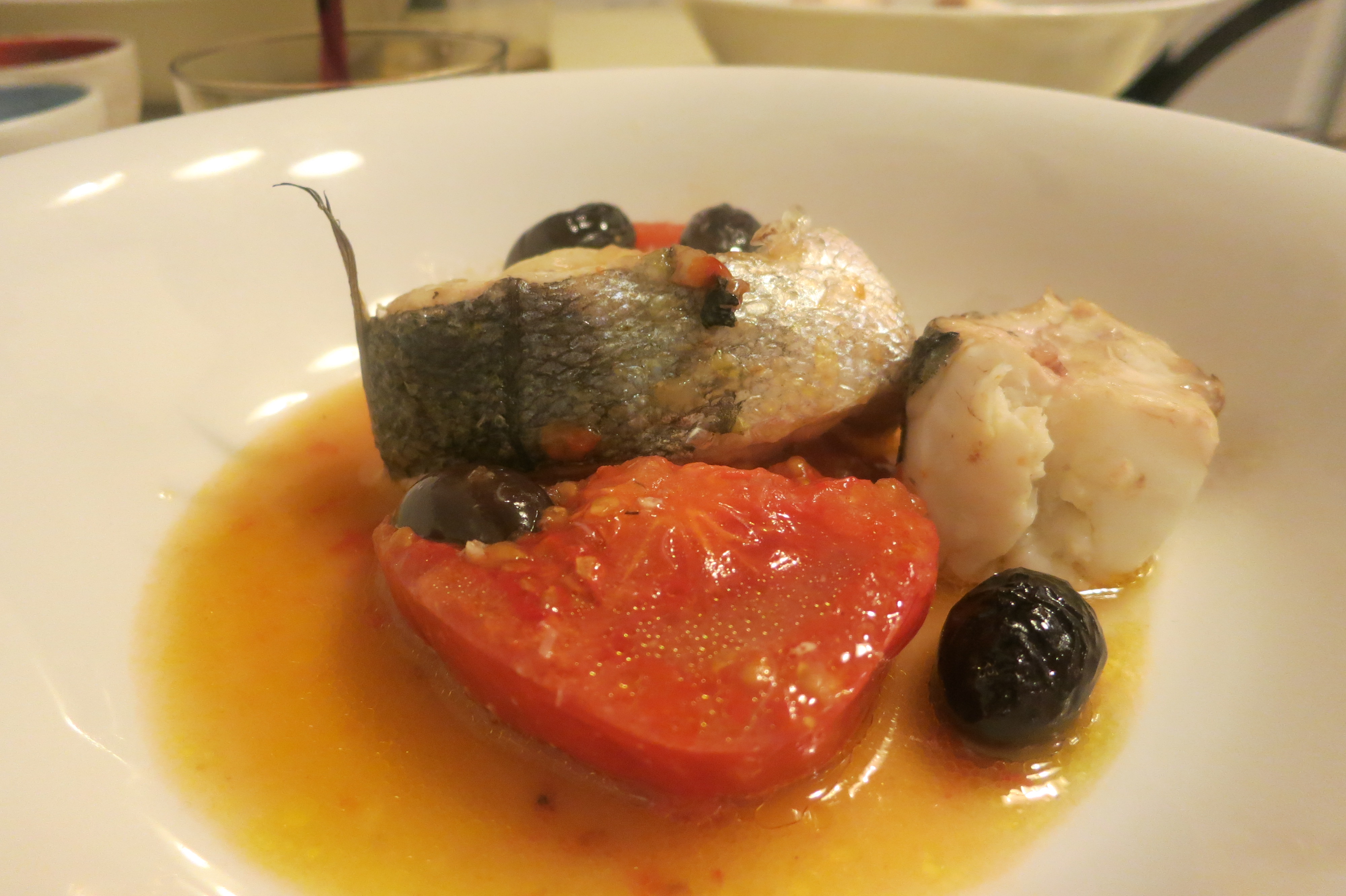
Last nights dinner vision was  Roasted Tomatoes, Kalamata olives and Hake with potato gratin on the side.

What we actually got, three and a quarter hours later was just cooked tomatoes, and overcooked hake. The spuds were perfect except that they were burnt on the bottom!

I’m blaming this on a remarkably bad oven! The cooker doesn’t look bad, it’s quite new and the hob works well but the oven is definitely duff. It’s  a gas oven which heats from the bottom and obviously heats very slowly until it suddenly reaches incineration point.

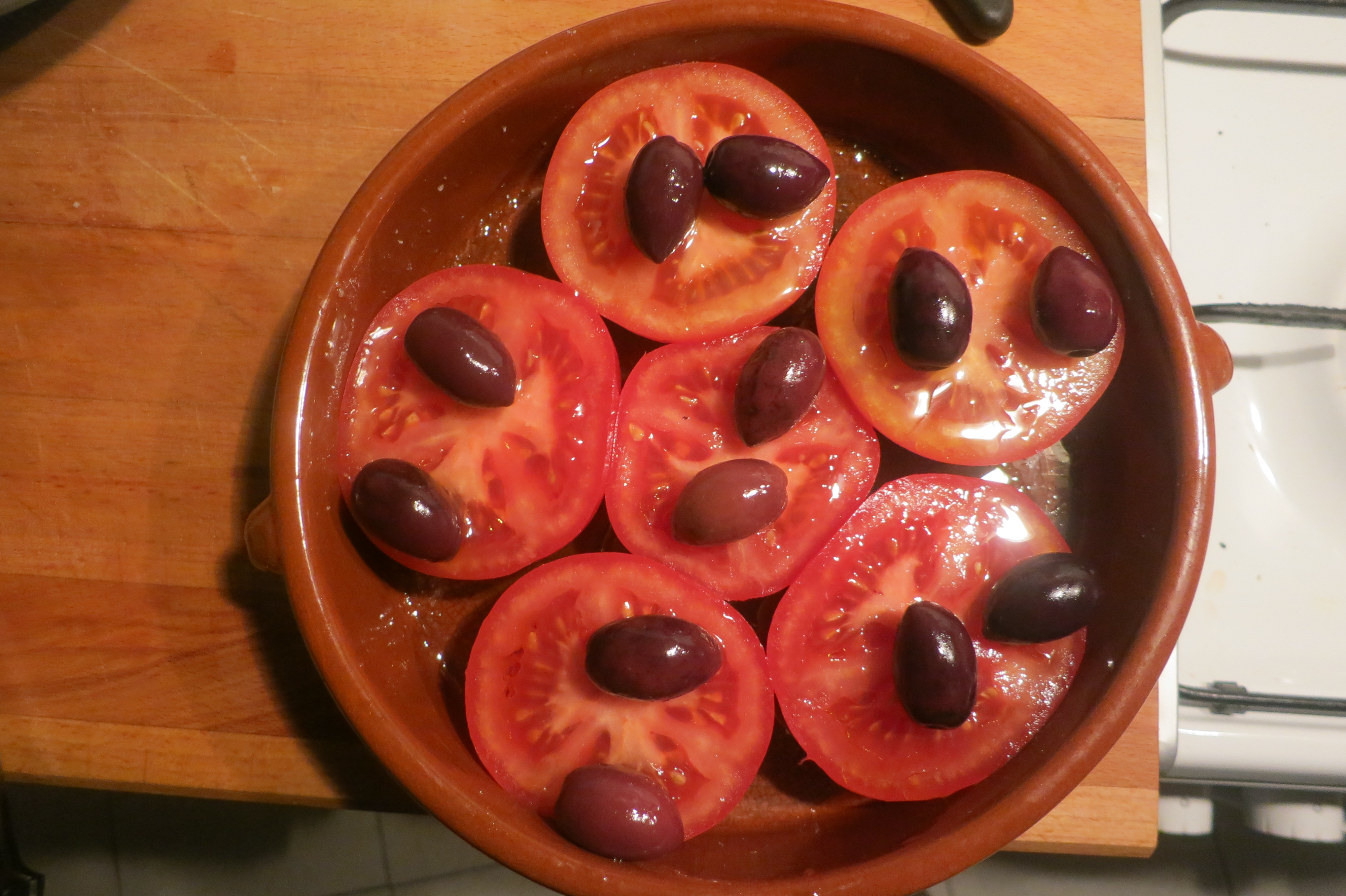
I turned the oven on (220c) to give it a chance to warm up and prepared the potato gratin. I peeled and sliced the potatoes thinly and tossed them in bowl with some olive oil, oregano and salt, put them in layers in an oiled earthen ware dish and popped them into an oven. l covered the top with some parchment paper so that they wouldn’t brown to quickly. For the tomatoes we had three ripe fatty tomatoes which I cut in half across the middle and jammed into another ovenproof dish, cut side up. I seasoned them with salt and pepper and drizzled olive oil over them and threw on some kalamata olives.

IMG_1515

These joined the potatoes in the oven. Thirty minutes later I poured a little white wine into the potatoes. The oven still didn’t feel very hot so we cranked the temperature up to 270c.

IMG_1526

Two hours on, the potatoes were getting tender, the tomatoes barely bubbling and we were very hungry. I took the paper off the top of the spuds to let them brown a little on top while they finished up cooking and popped the fish into the tomatoes.

IMG_1523

At this stage it was 10.45 and we were hungry. we poured ourselves a glass of wine and promptly forgot about the oven. Half an hour later the oven was like a kiln, from the bottom up, and the dinner was ready in it’s various guises. It was tasty, even though the fish was overdone, but then again you’re happy to eat anything at quarter past eleven!

IMG_1529


Sunshine in a Bowl

IMG_1208

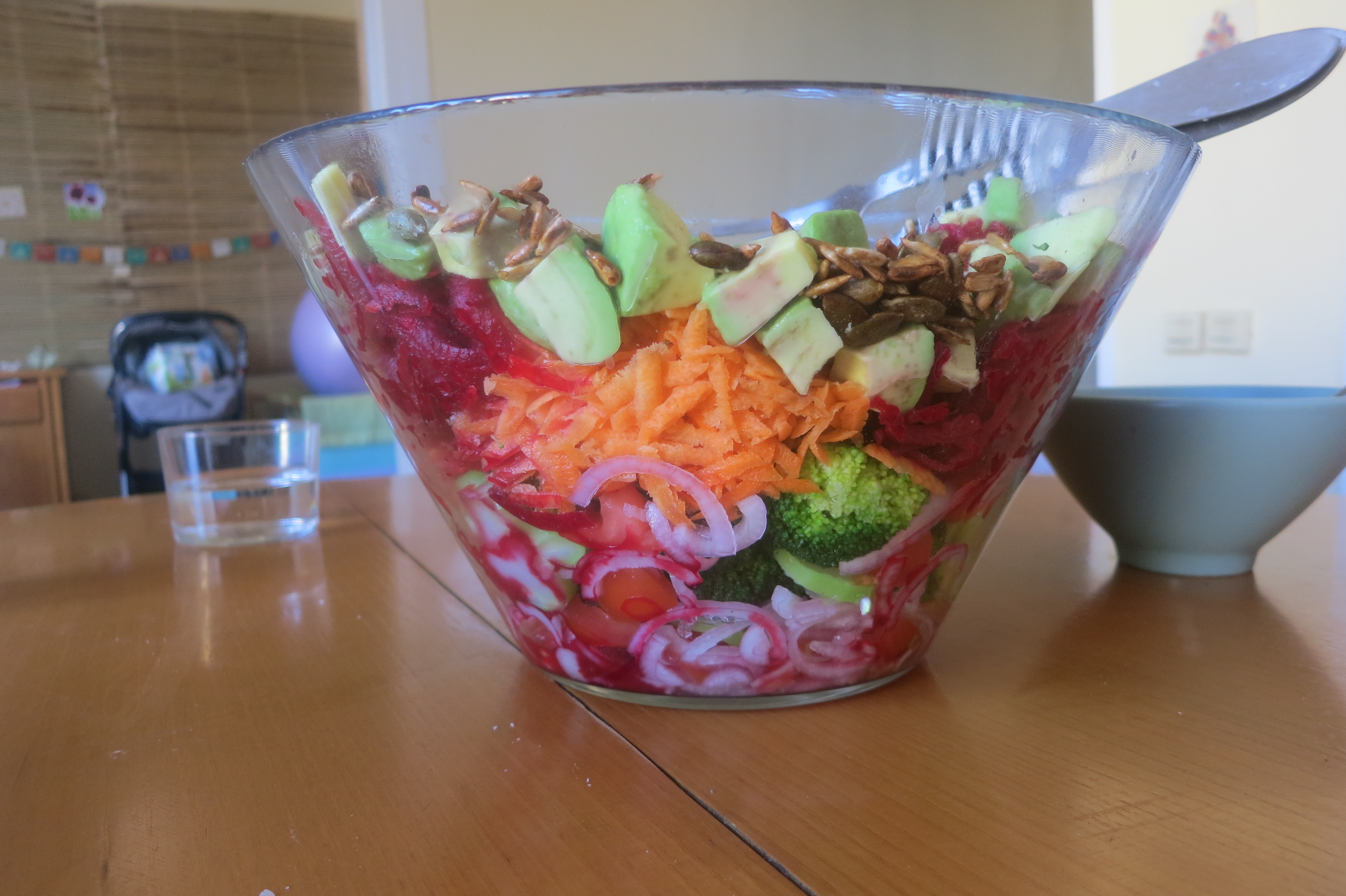
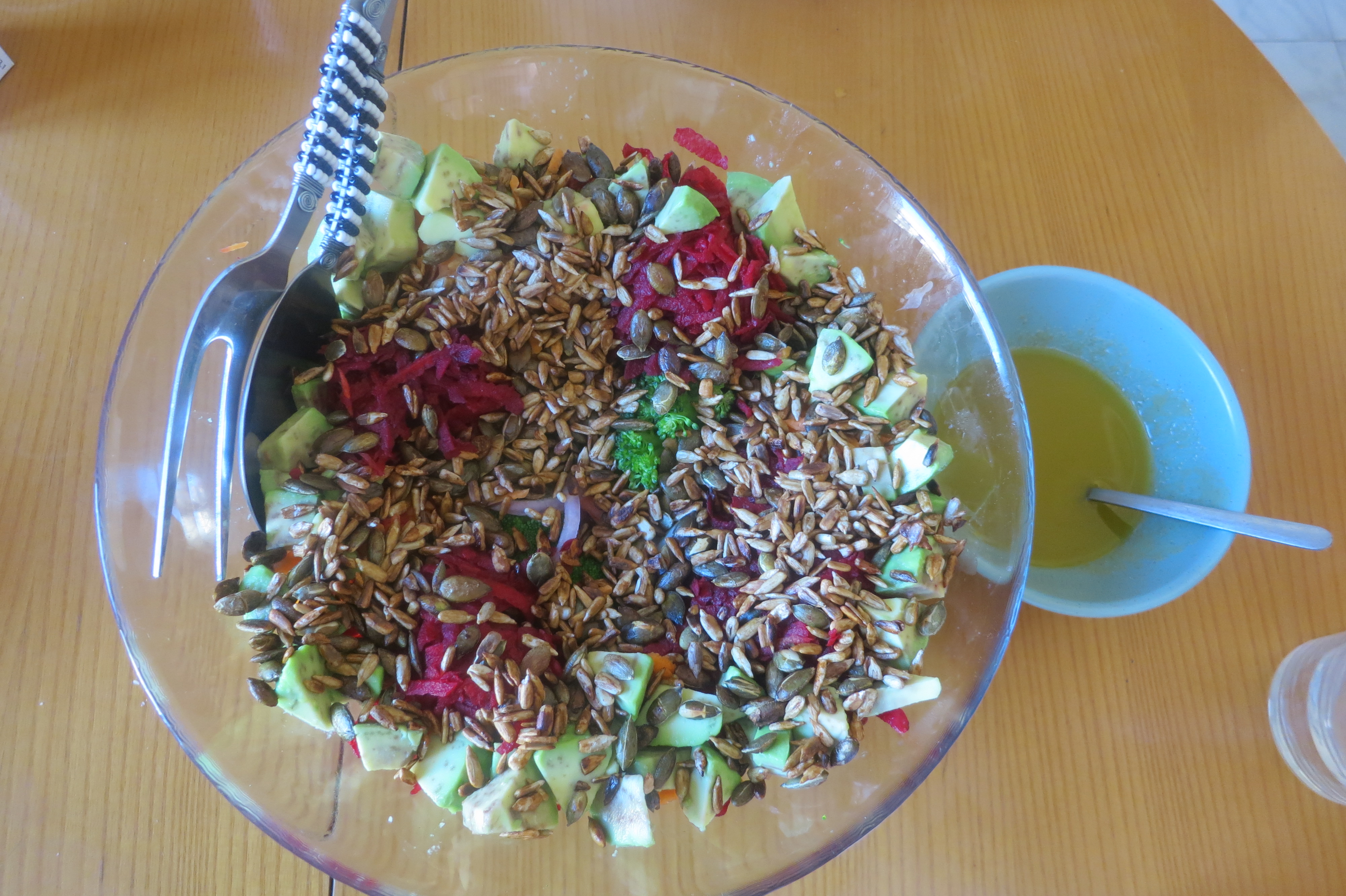
Although January isn’t the month that often brings a hankering for salads there’s nothing like a bowl of fresh veg with some vinaigrette. Grated carrots and beetroots, blanched broccoli, just ripe avocado and some lightly pickled red onions topped with toasted sunflower and pumpkin seeds. Just the sight of these brightly coloured veg make me feel good. It’s real power food. The content of such a salad can vary considerably but they are always enhanced with a drizzle of vinaigrette and the toasted seeds which adds a dose of the omega threes and sixes.

To make one of these mega salads peel and grate the carrots and beetroots, keeping them apart for the colour scheme.

Slice a small red onion finely, massage with a little salt and sprinkle over a little vinegar. Put aside for ten minutes

To prepare the broccoli bring a large pot of salted water to the boil, cut the broccoli into small florets  and finely slice any stems and pop into the boiling water. as soon as the water returns to the boil take the broccoli out and refresh in cold water and then drain.

Peel and dice a just ripe avocado and toss with a little lemon juice. This will prevent the avocado from discolouring.

To make the vinaigrette, whisk together a scanty teaspoon of Dijon mustard, a tablespoon of decent vinegar, about 5-7 tablespoons of olive oil and a little splash of soya sauce.

Toast the seeds in a dry pan and when they are golden toss them with a little soya sauce, just enough to lightly coat them. It has a similar effect to dry roasted peanuts, giving a savoury coating to the seeds.

Assemble the salad, as you fancy, in a large bowl, scatter with the seeds and serve with the vinaigrette

IMG_1206


Fishy Filo

IMG_0052

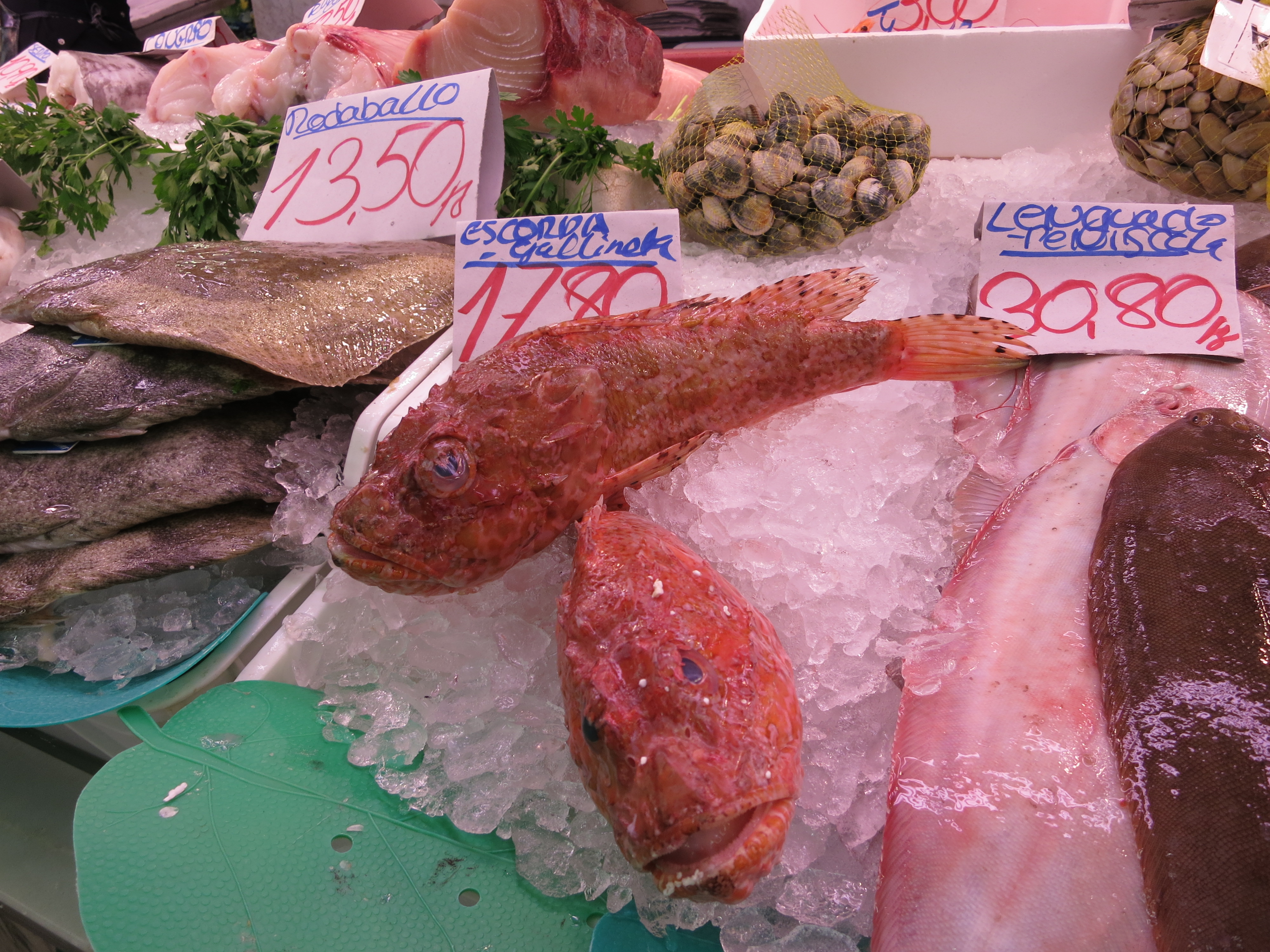
There’s plenty of fish in the markets in Barcelona. Each neighbourhood has a covered food market and also has several small fish shops in the streets around. The variety is immense and the quality is very good. Spanish people know their fish and the fishmongers are very good at looking after them. Every piece is meticulously cleaned and will be cut as requested. The skin and bones being presented with the filleted fish to make the stock.

Last night we had monkfish. We didn’t make our dinner plans in time to go to the market so we wandered out to the local fish shop where there were some spanking fresh little monkfish tails for sale.

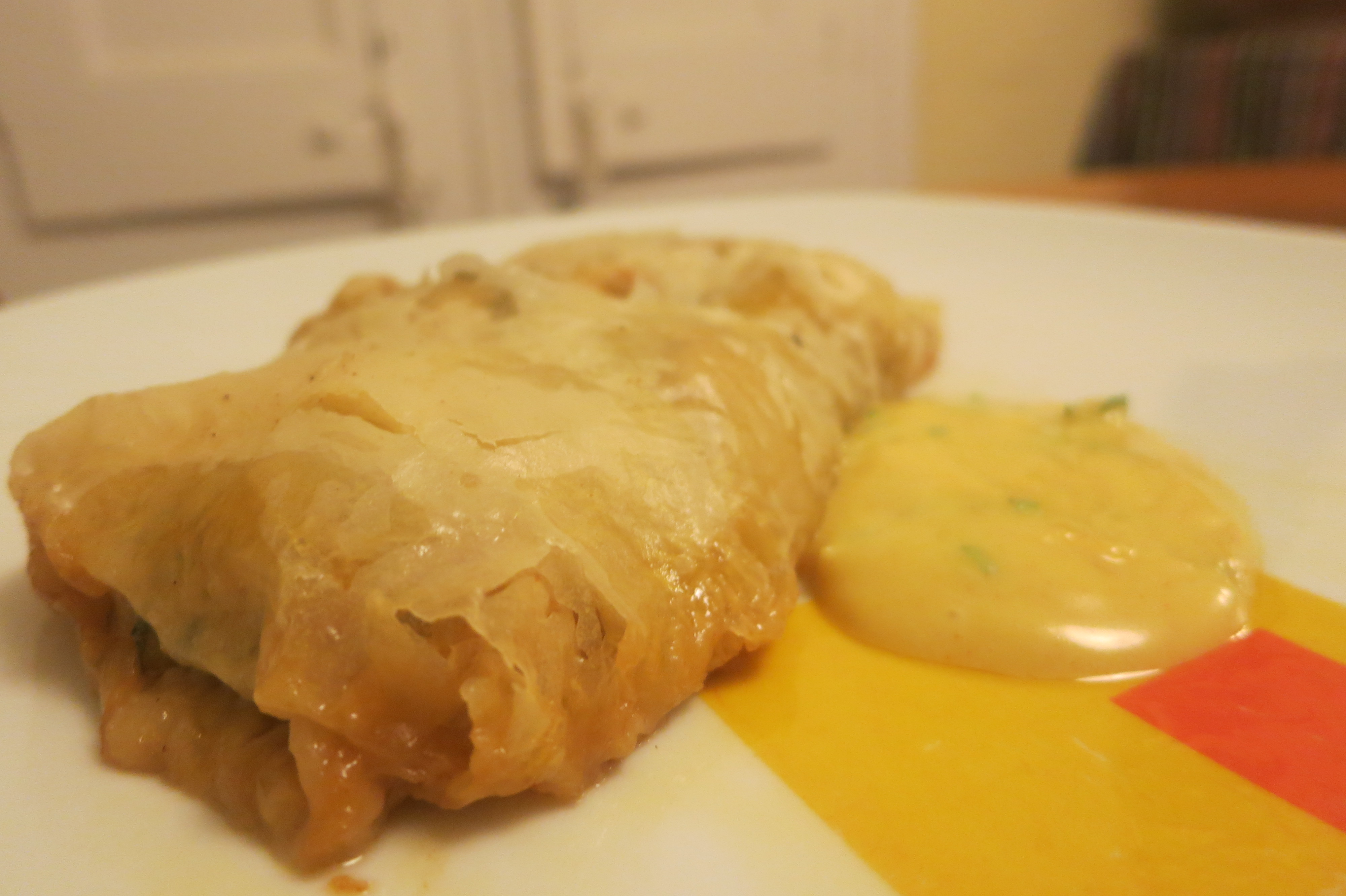
There was some filo relaxing in the fridge, waiting to be used so we made ‘seafood pastillas’ which gave it a first class home. This is another simple recipe from Claudia Rodens Tamarind and Saffron book with our usual pantry  substitutions.  The original recipe used cod and prawns which was pre cooked before marinating but I’m not a fan of twice cooked fish so I marinated the fish raw and then cooked it in the filo. It was delicious – one of these recipes which make your taste buds light up.

There was a little marinade left over from marinating the fish which I whisked into a little  mayo to make a sauce  for on the side. This was as much for our chippy potatoes that we had with, as for with the fish, and the whole lot got scoffed!

This recipe makes enough for 3-4 people

Seafood Pastillas

about 600g monkfish

filo pastry sheets

approx 100g butter

the juice of 1 lemon

approx equal amount of olive oil as lemon juice

1 tsp ground cummin

1 tsp hot paprika

2 cloves garlic – peeled and chopped

a handful chopped parsley

a handful chopped coriander

salt

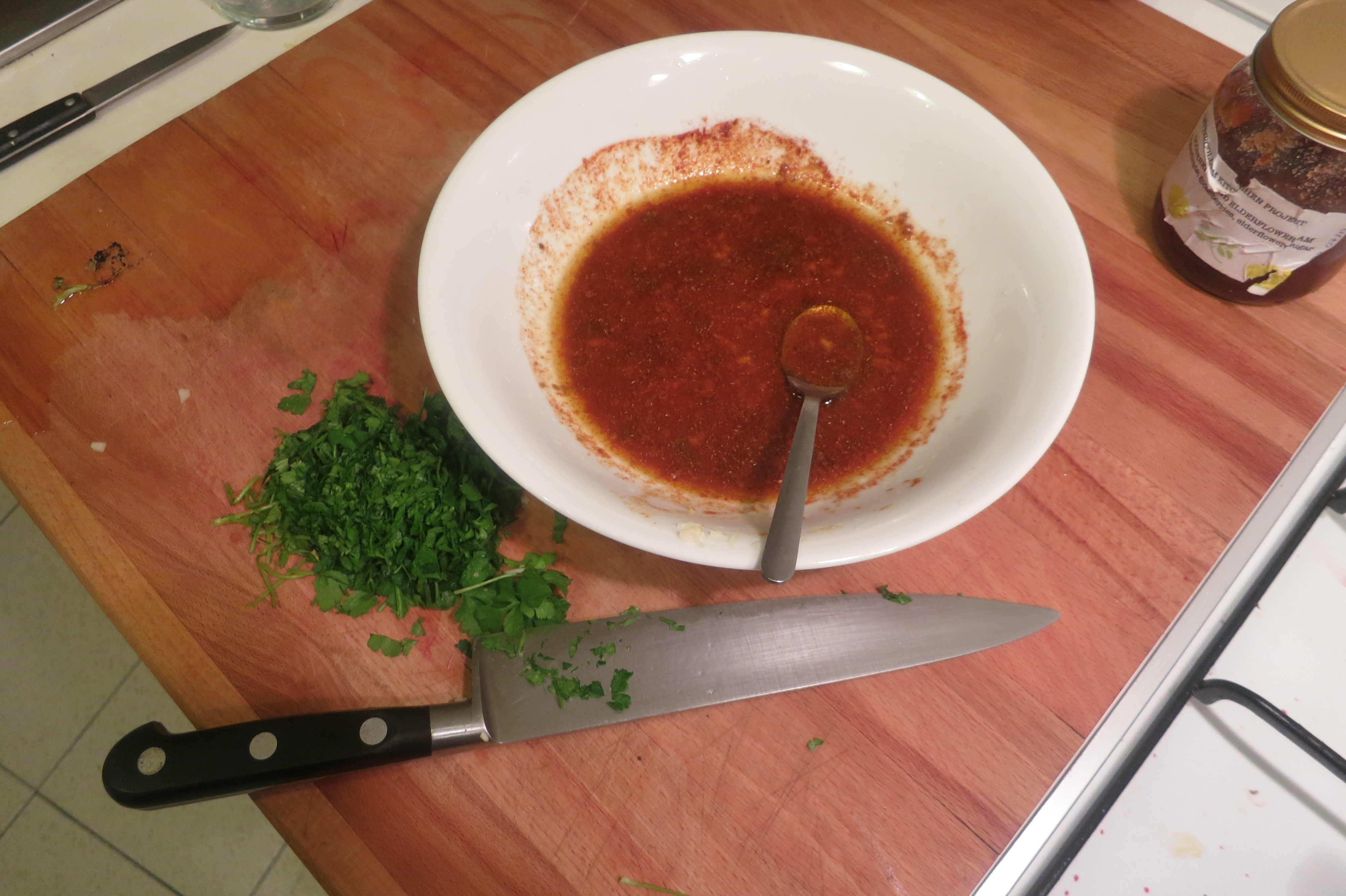
Put the lemon juice, olive oil, ground cummin, hot paprika, chopped parsley and coriander into a bowl. Stir everything together and season with a little salt.

IMG_1497

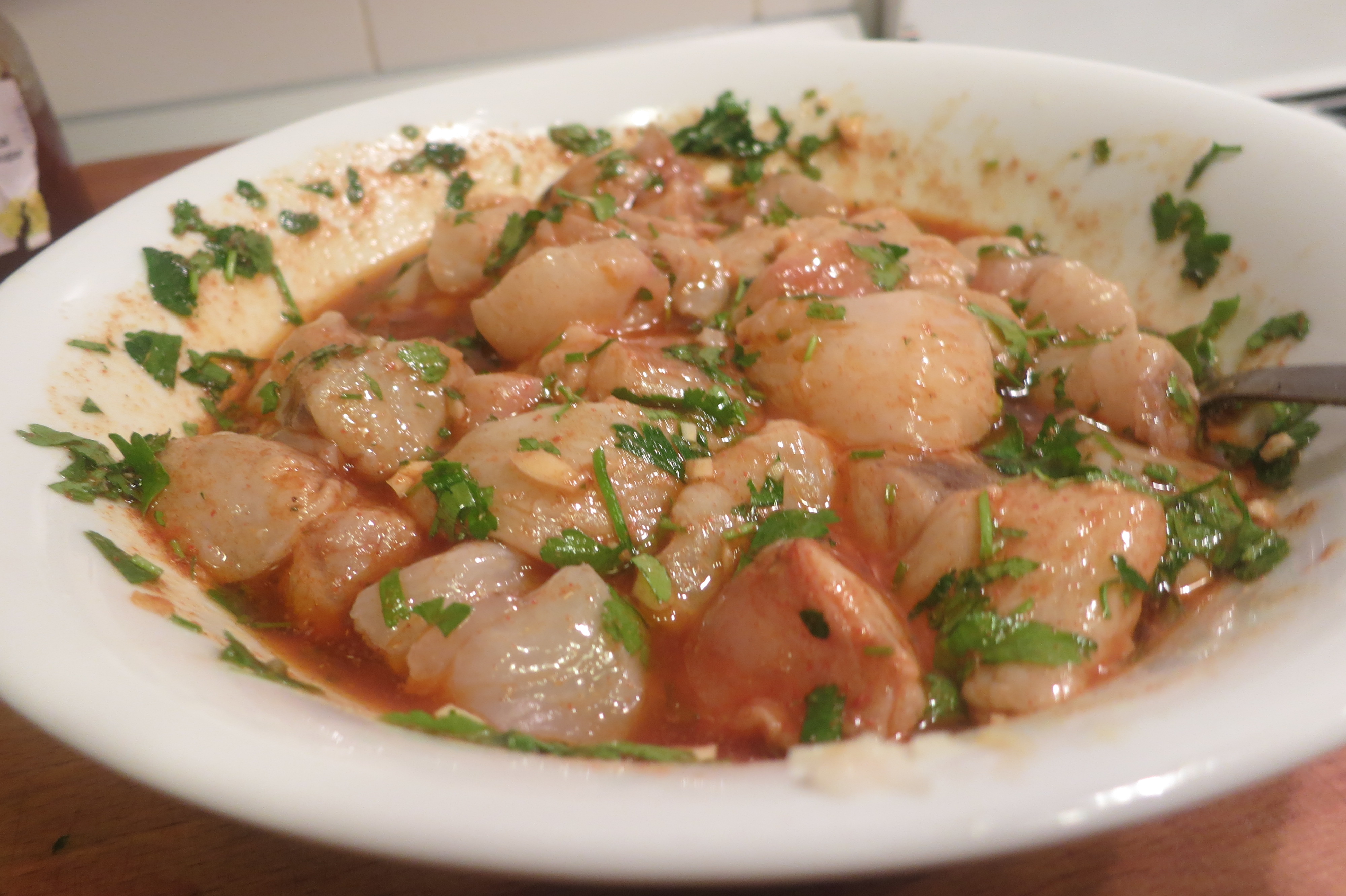
Cut the monkfish into cubes of about 2cms, not too big, and mix with the marinade. Leave in a cool place for thirty minutes to an hour to marinate.

 IMG_1500

To make the parcels, melt the butter in a small pan. Lay a sheet of filo out on the counter, long side towards you .Brush the top of the sheet with the melted butter then carefully turn over so the butter side is down Take a handful of the fish – approx one quarter- and shake off the excess marinade then place in the middle at the top end of the filo sheet and carefully fold the sheet over, fold both sides of the filo into the middle, then fold over again. Tuck in the remaining pastry. You should have nice little package with the fish inside. Put this on baking tray, and repeat three times.

Pre heat the oven 180c , give the pastries a final brushing with the melted butter and bake for about 25 minutes The pastry should be golden

IMG_1502

Yum!


A Mighty Tortilla

I have been reading Claudia Roden’s book Tamarind and Saffron. It’s full of easy Middle Eastern recipes, very simple and straightforward. The cover of the book is bright blue with a stunning bowl of lemons. It looks very modern but the book is actually quite old, it was first published in 1999 and cookbooks have changed a lot since then. The content is mostly text with a couple of pages of photos tucked in here and there. It takes a bit of reading and imagination to get through the recipes which is not a bad thing if you have time.

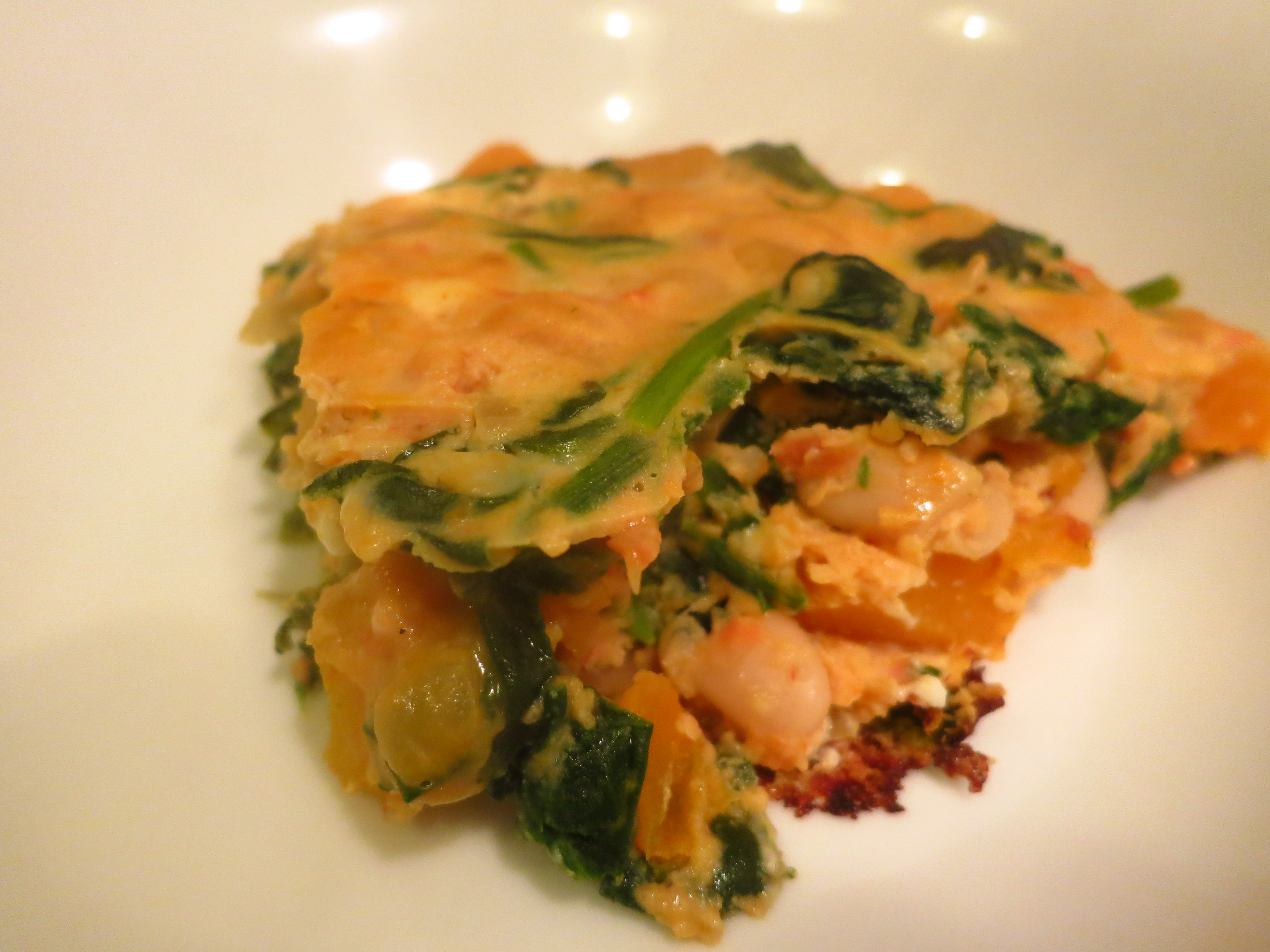
I came across a recipe titled ‘haricot bean and spinach omelette’. This didn’t sound particularly inspiring but it had an interesting collection of ingredients and when I read the text I discovered that it was a Tunisian vegetable tajine modified to be cooked in a frying pan. I decided to give it a go as I’m a fan of one pot dinners. I deviated from the recipe as usual by using what we had in our store cupboard. In Tunisia this is cooked in an earthenware casserole. These can be put on a gentle heat or in the oven. Cooking it in the pan made it look like a giant tortilla, it wasn’t particularly beautiful looking but it tasted great and had an interesting texture.

IMG_1368

This is what I used:

a slightly sad bunch of spinach

a piece of butternut squash-peeled and diced into 1cm pieces

an onion-peeled and chopped

olive oil

1 clove garlic – I probably would have used another one or two but that’s all that was in the house

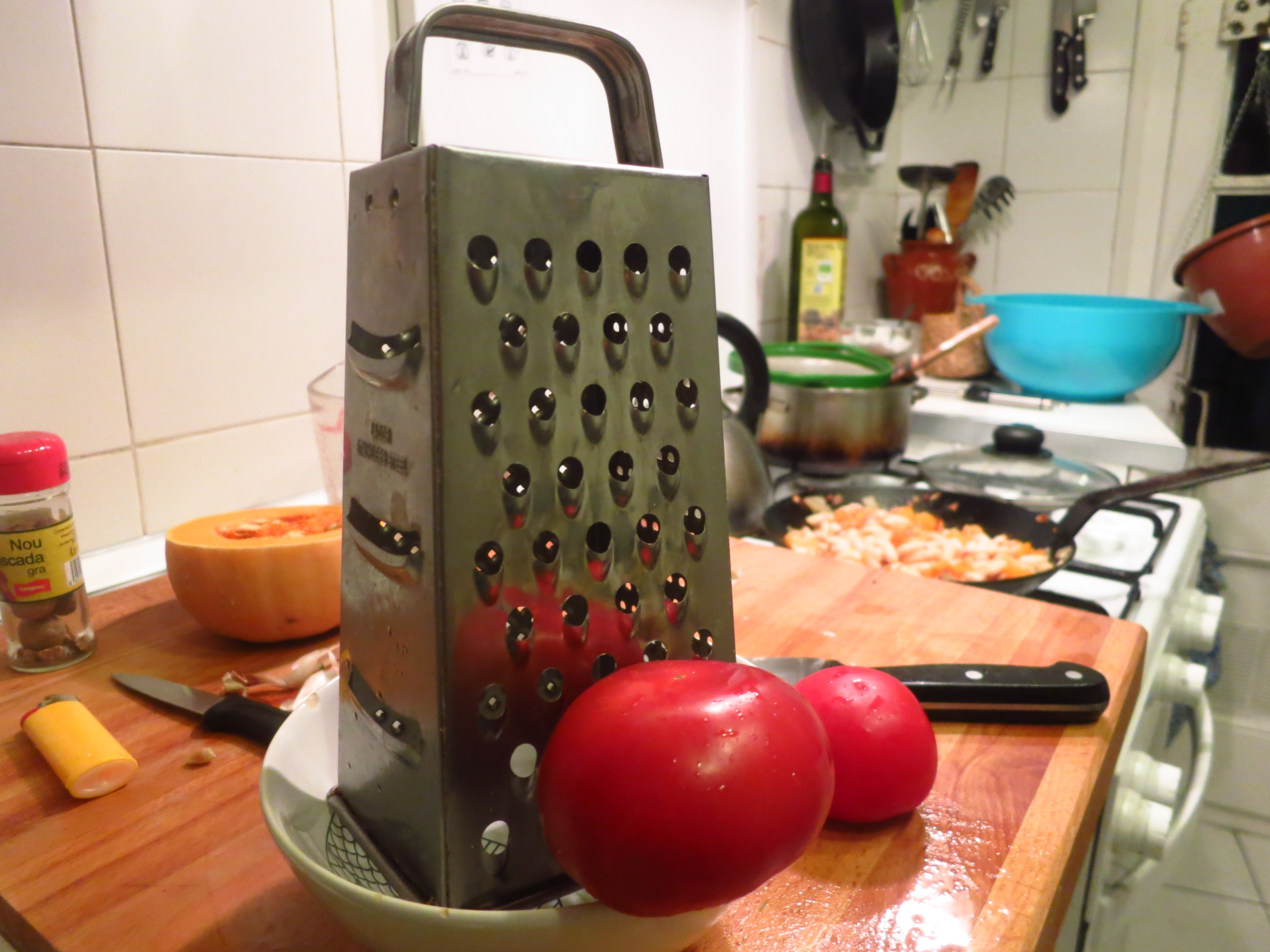
2 tomatoes -grated on the coarse side of the grater

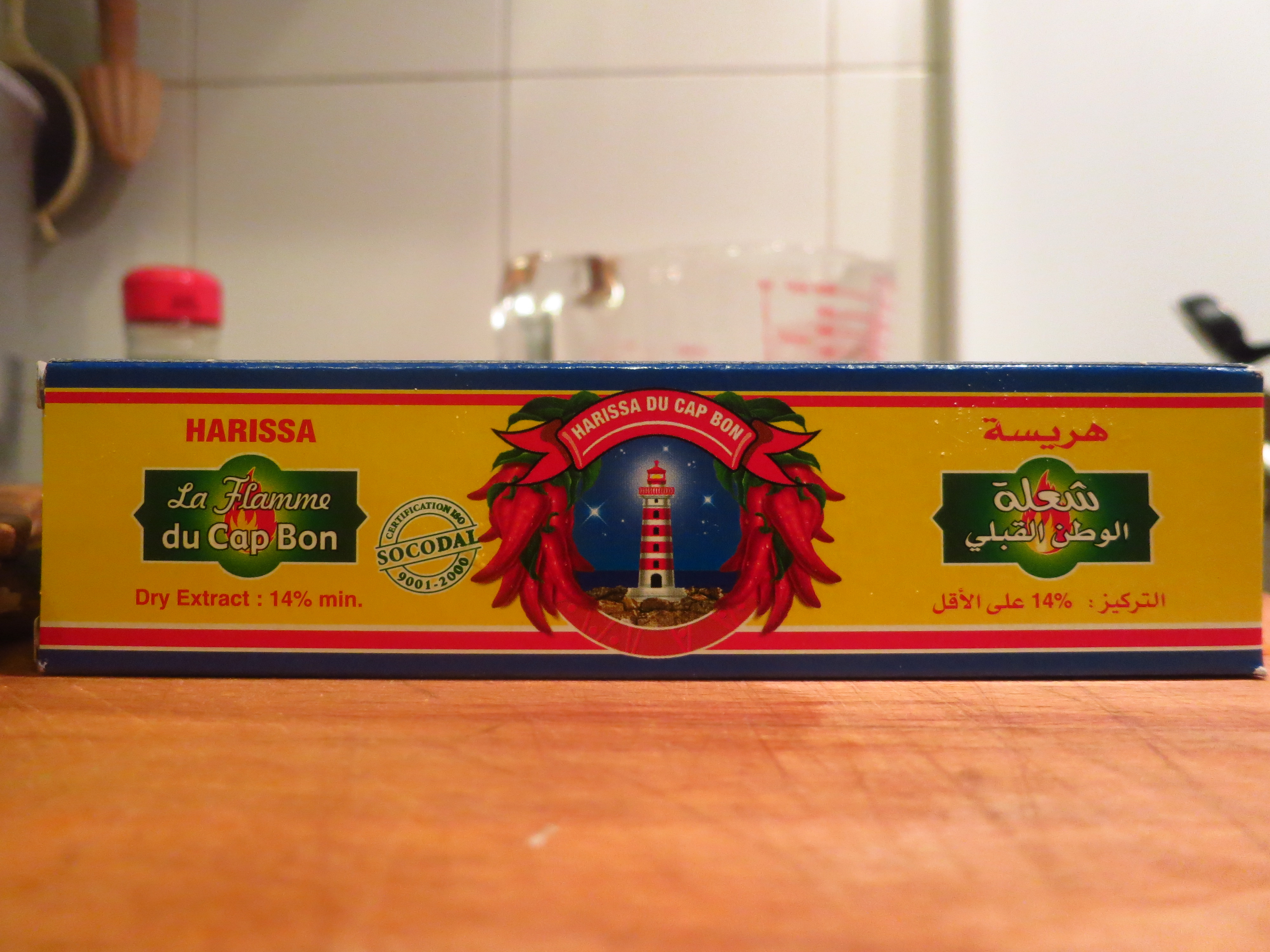
harissa – a good squeeze

1 jar/can canelinni beans

about 100g feta -crumbled

3 eggs

salt and pepper

IMG_1345

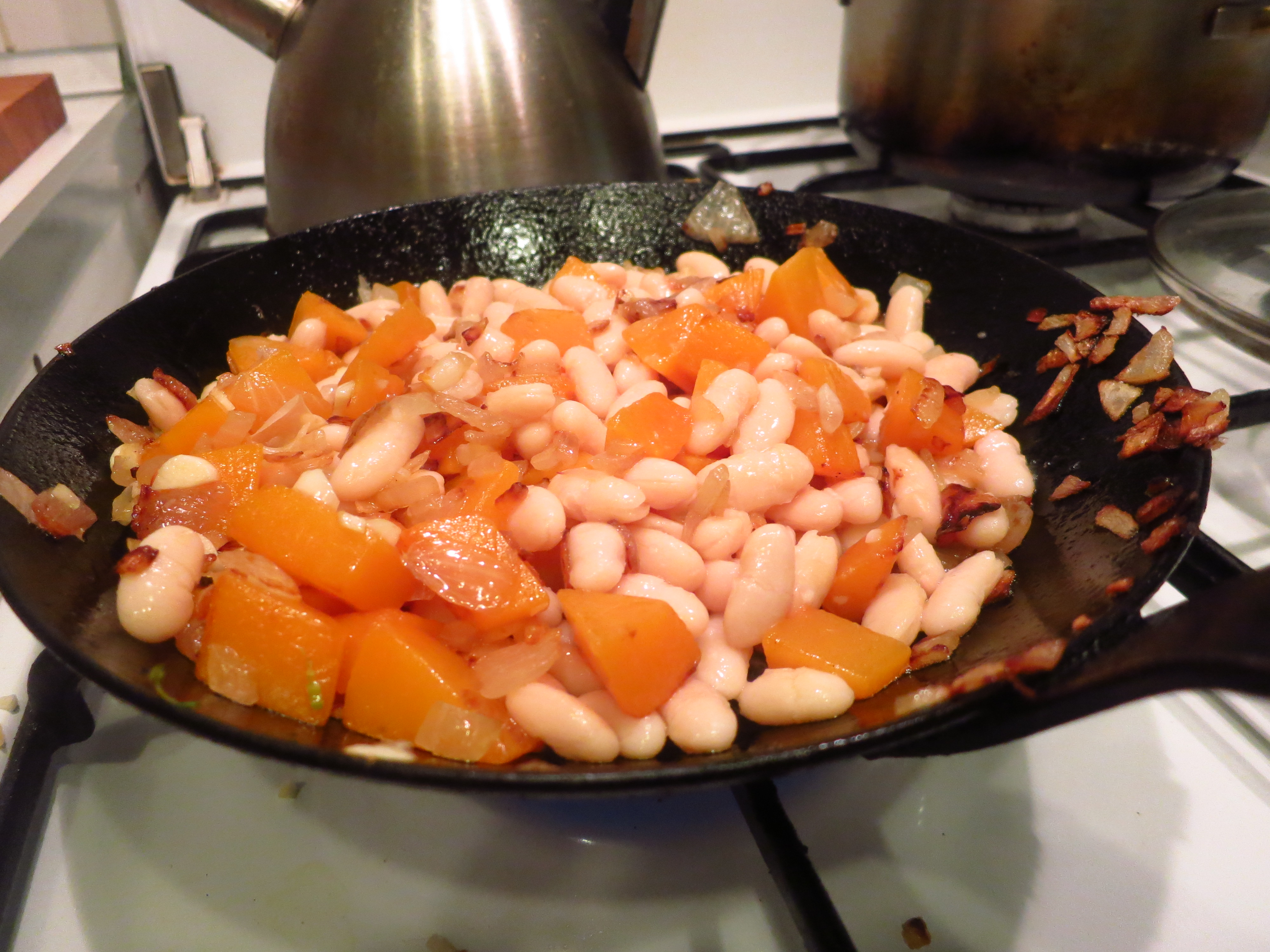
Cook the onion and pumpkin gently in olive oil with a little salt until the pumpkin is tender then add the chopped garlic, give it a few stirs and then add the beans. Once everything is sizzling away stir in the grated tomato and season with a little more salt.

IMG_1348

Wash and trim the spinach, then put it into a large sauce pan with a knob of butter, a little salt and cover with a lid.

Cook on a medium heat until the spinach is tender.  When the spinach is cooked  put it into a colander to drain and  press it with the back of  a wooden spoon to give it a hand.

Crack three eggs into a large bowl, beat them together then add the feta, a good squeeze of harrisa, all the other ingredients and gently stir them together.

IMG_1361

Clean the frying pan, gently heat it and add a little olive oil – just enough to barely coat the bottom and sides of the pan then pour in the mix. Cook it on a low heat, covered with a lid until the mix has set enough to become mobile from the pan at the bottom, it may need a little help with a spatula to release it from the sides of the pan. When the egg mix moves freely flip it over with the help of a large plate and cook the other side.IMG_1365


Tuesday Night Fish Dinner


Since arriving in Barcelona I am becoming a compulsive shopper.

The kitchen is bulging with food and everywhere that I look there’s more. Winking at me. We are becoming a food sanctuary!

Today I have decided to keep my eyes straight ahead and my hands in my pockets.

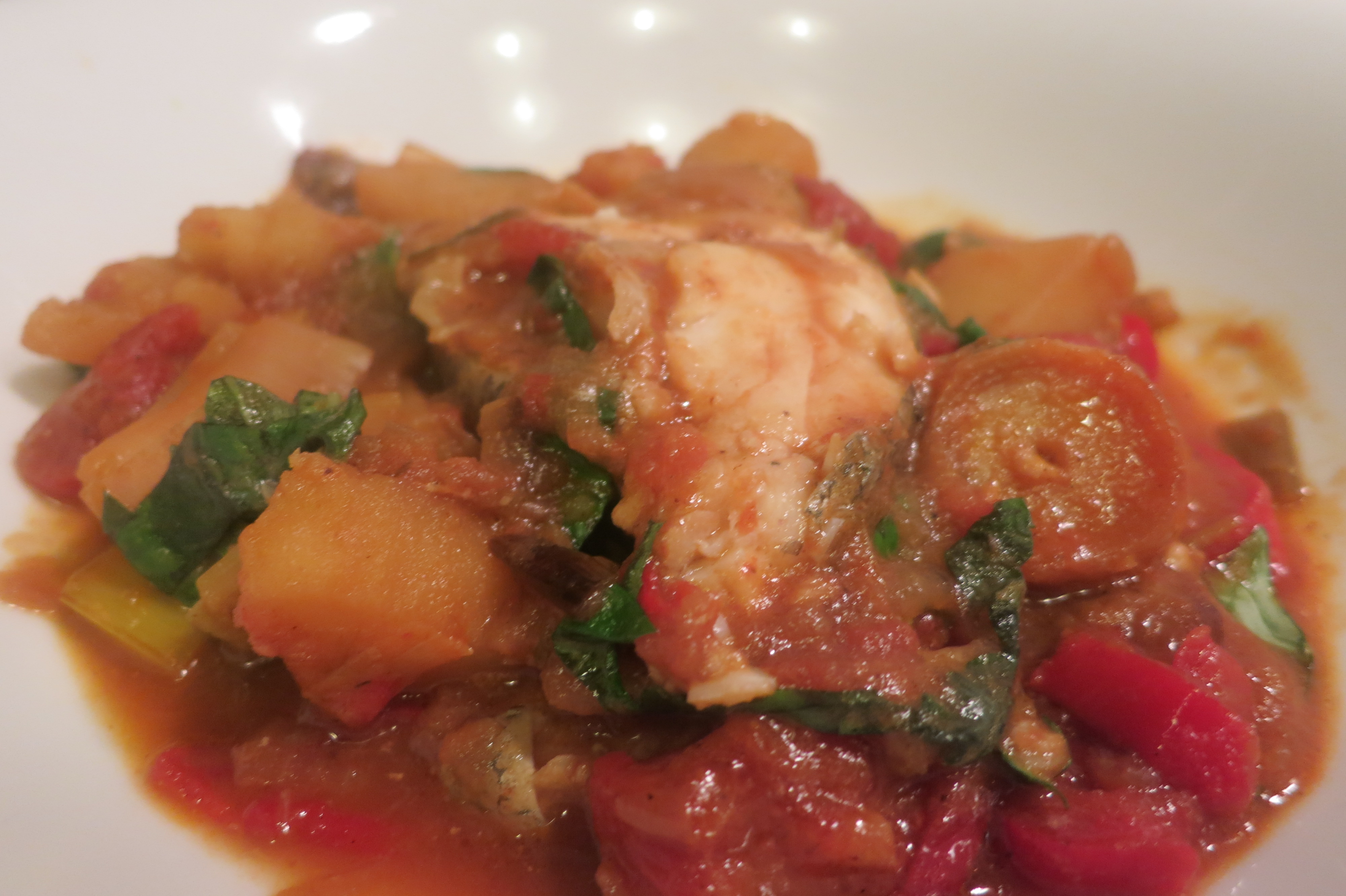
Yesterday we went to the market and came home with a piece of hake and half it’s head, the half a head was a surprise, split right down the middle.We got one eye and half a mouth. It was included in the price . The head and all other trimmings are fairly shared between whoever buys the fish.It came in very useful to make some fish stock which we used to make a simple fish stew

We cut the hake into steaks, Spanish style, to cook on the bone.

IMG_1260

Here’s the recipe

1 onion- peeled and sliced

olive oil

3 cloves garlic – peeled and chopped

1 large red pepper – deseeded and sliced thinly

1 leek – cleaned and chopped into 1cm pieces

1 bay leaf

3 potatoes – peeled and cut into chunks one can of tomatoes

1 glass white wine about

500mls fish stock

a handful of chopped basil

about 150g fish per person

To make the stock; a fish head or bones, a stick of celery, a carrot and an onion all peeled and chopped Put all the ingredients for the stock into a saucepan and barely cover with water. Bring to the boil and then simmer for twenty minutes.

To make the stew, heat a large pan and add a little olive oil and the onions, when they start to sizzle away stir in the peppers, bay leaf, potatoes and leek. Season with a little salt. Cook on a medium heat for about ten minutes then add the  the garlic. Give a few stirs, pour in a glass of wine and when the wine bubbles up add the tomatoes and the fish stock. Simmer everything for about twenty minutes or until the potatoes are tender. The sauce will reduce whilst cooking, if it becomes too thick add a little more fish stock  or a little water. taste the stew and adjust the seasoning. Season the pieces of hake with a little salt and pepper and post into the stew, giving them a little push to submerge them as far as possible in the sauce. Cook for about four minutes then carefully turn them over, push them into the sauce again and cook for a few minutes longer. Take the pan off the heat and scatter with the chopped basil .

IMG_1252


Fideua – an alternative Paella

IMG_1249

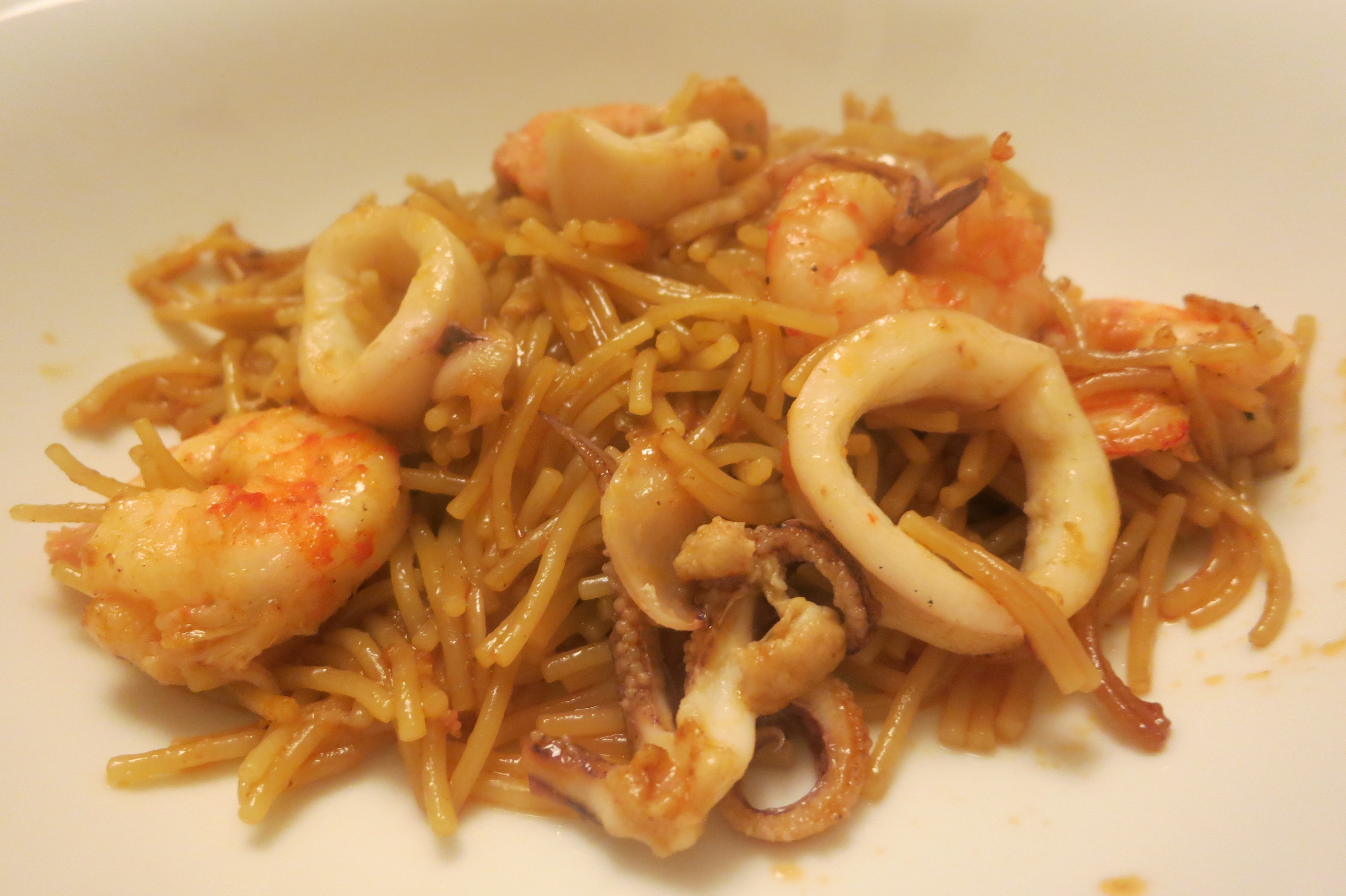
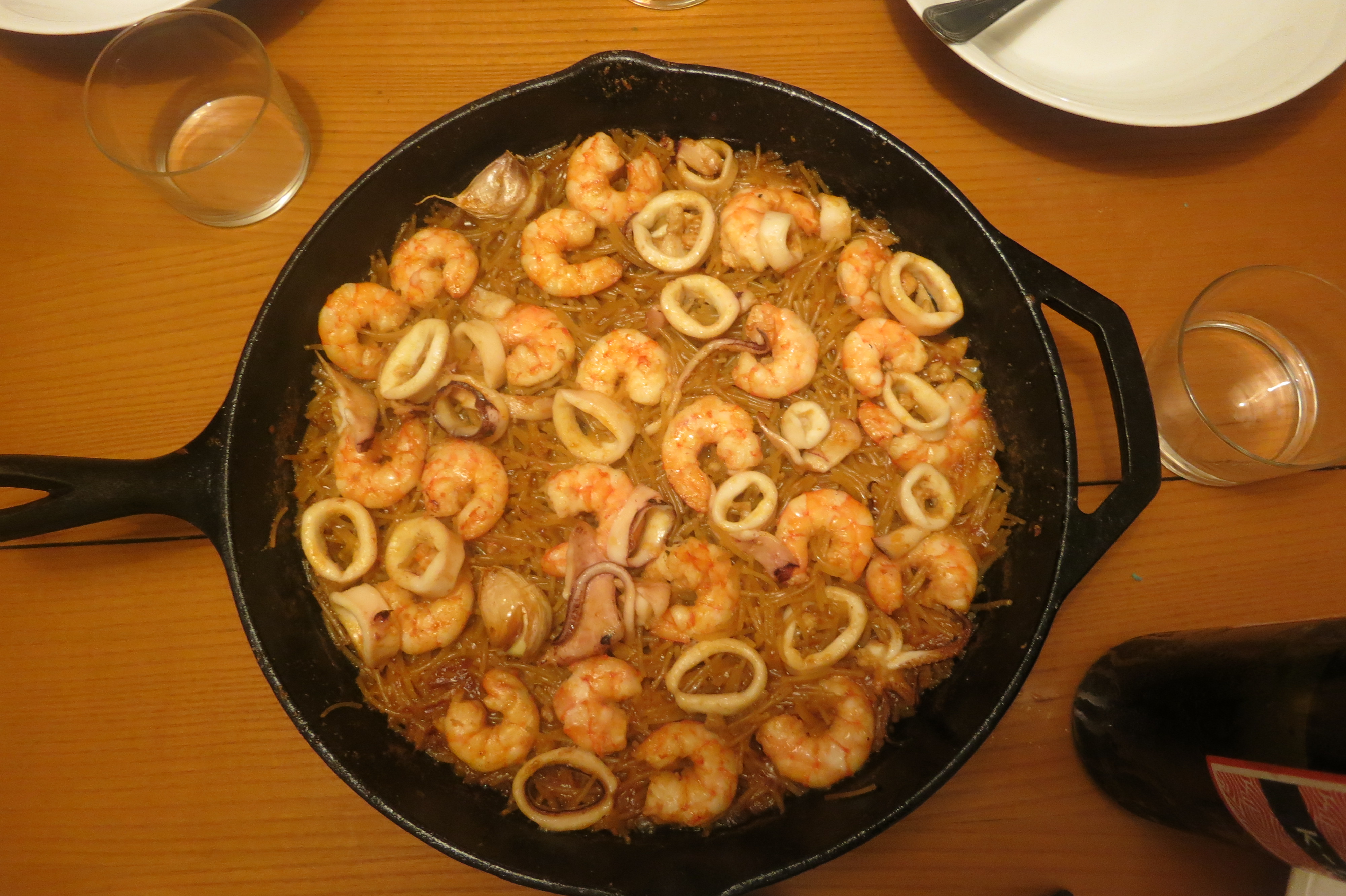
Last night we ate Fideua, a fairly controversial thing to do for the Three Kings Feast, as no self respecting Spaniard would eat that for dinner. It would most definitely be considered a lunch dish. It’s made with fine pasta vermicelli instead of rice with whatever you have from the sea. It was delicious. I hung around the kitchen while it was being made which is always the best way to unlock the secret of making a dish. It seems the stock is the most important ingredient, the actual seafood element can be made up of posh small bitty bits. We had prawns and squid. The prawns were peeled and the heads and shells went into the stock pot and the squid were cleaned and sliced into rings.

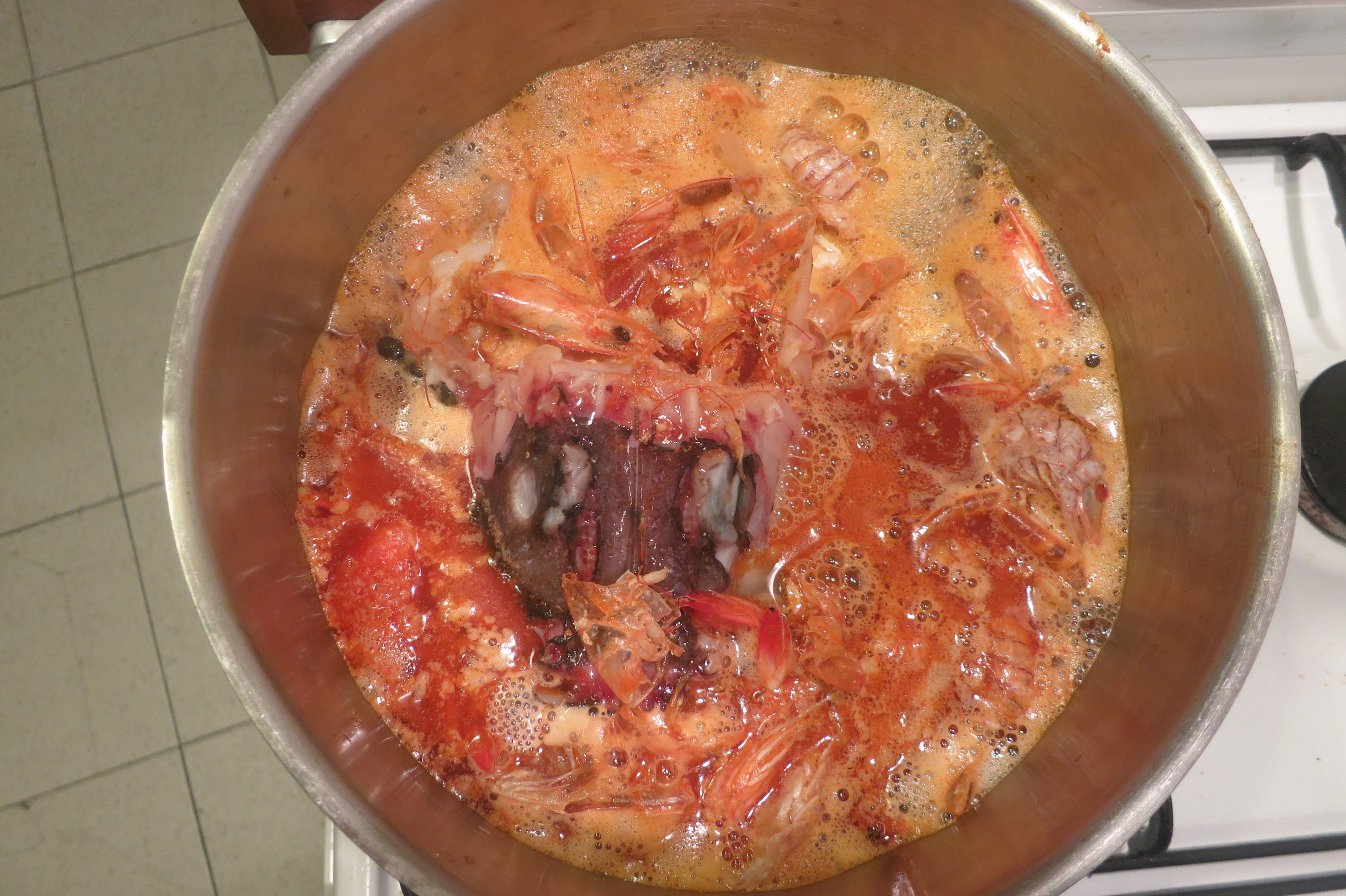
To make the stock  a little olive oil went into a big pot and the prawn heads and shells were fried off.  We also had some galera – the dictionary translated as mantis prawns. They are chubby little things which look like cockroaches of the sea. They’re about four centimetres long and aren’t up to much for eating but are great in the stock pot. These got fried up too, then in went a couple of chopped cloves of garlic and a big grated tomato. Once the garlic got going, in went a monkfish head, a handful of little fishes and enough water to barely cover. This was bought to the boil then cooked at a gentle roll for a good hour.

IMG_1214

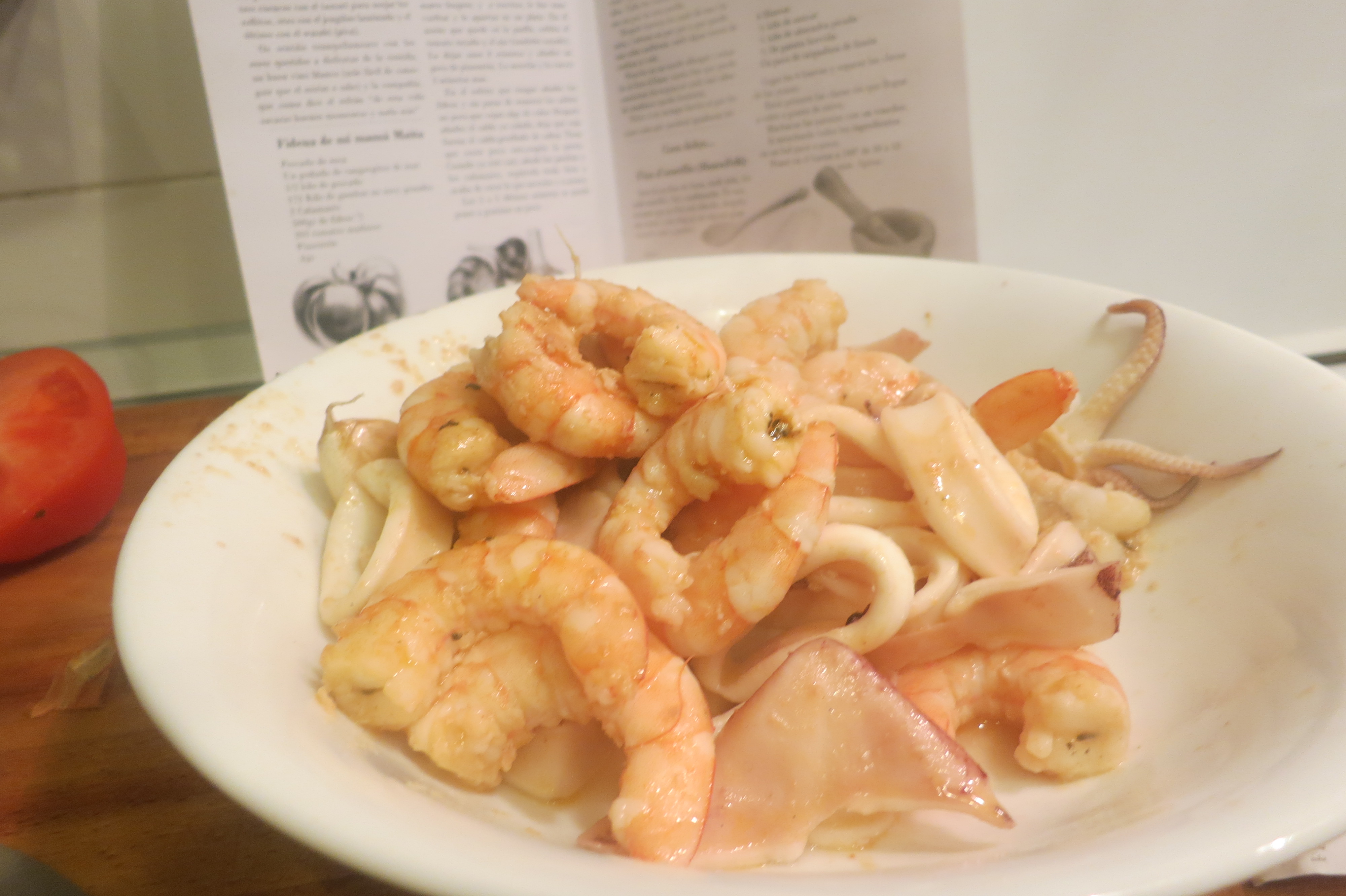
While this was cooking we had an aperitif . When we continued cooking a little oil went into a large shallow pan and the prawns and calamari were quickly fried off and put aside. This just takes a few minutes in a hot pan.

IMG_1223

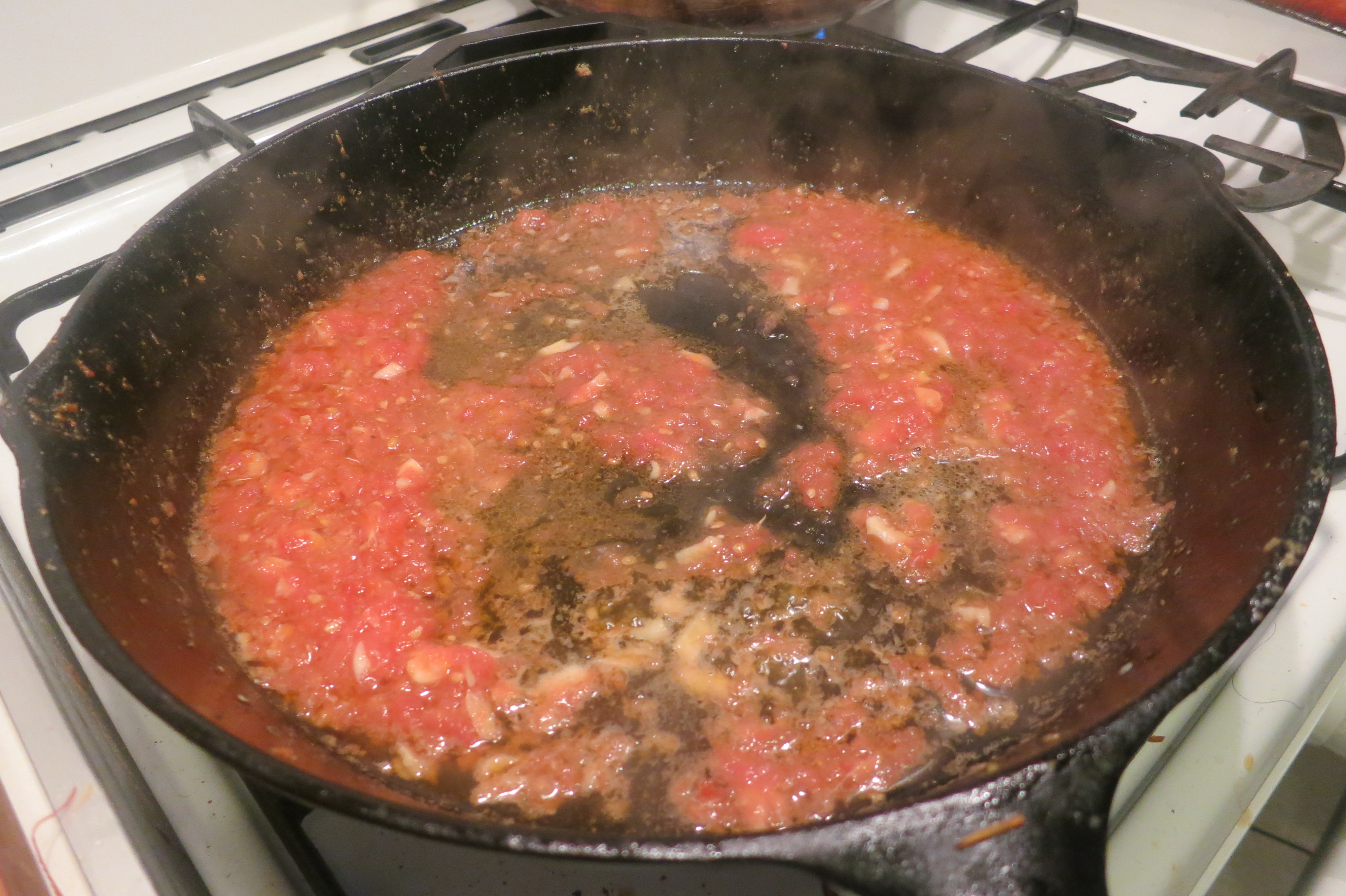
Using the same pan a couple of cloves of garlic were gently fried and then two big fatty tomatoes were grated and added.This all bubbles away into a rich sauce which is seasoned at the end with some salt and smoked paprika.
IMG_1233

The fideua (vermicelli pasta) now goes into the sauce and is given a good stir followed by the stock.
IMG_1237

How much stock? This is the question. I reckon it was about double the amount of pasta so for every 100g pasta, 200mls stock. And maybe a splash for luck. Once everything is bubbling away the heat is turned to medium and the prawns and squid were posted over the top. Five- six minutes later it’s ready for eating.

Yum!

IMG_1242